Latest Posts

Natural Beauty by Nathalie Bond

Nathalie Bond Organics, founded by Nat and Andy in 2014, is an organic beauty brand that do things a little differently.

Their passion? The planet we live on and the body we live in.
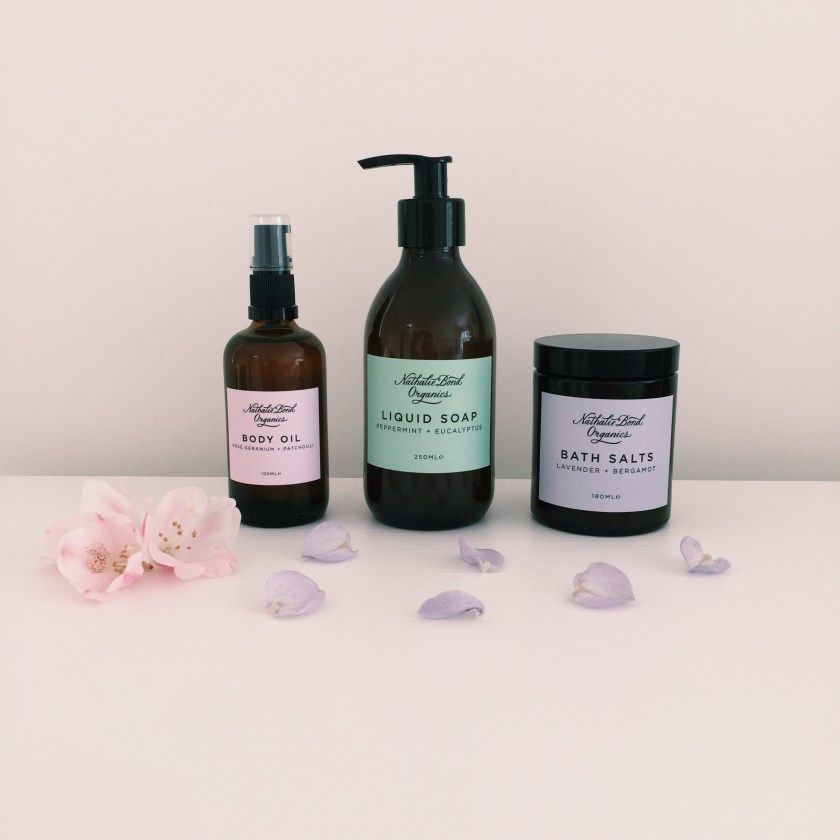
From just a glance it is clear that this passion genuinely runs through the heart of each and every Nathalie Bond creation. Their gorgeous collection of botanical skincare and soy wax candles have been handcrafted in small batches with sustainably sourced and organic ingredients.

Plus, whenever you buy from Nathalie Bond, you will also be supporting the charities World Vision and Baby Basics through their Giving Back programme.

So really it is no surprise to hear that Nathalie Bond Organics have been featured by the likes of Vogue, Olivia Palermo, Country Living and Glamour!

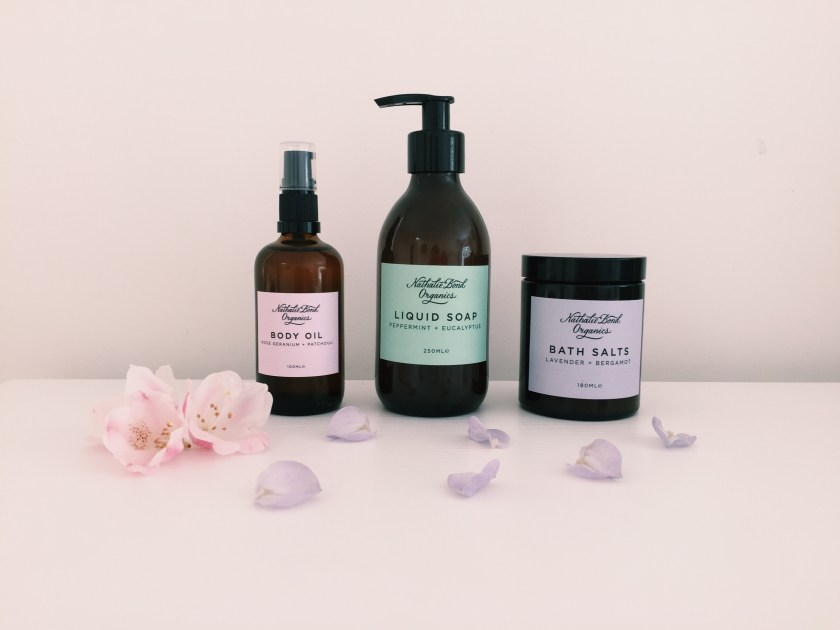
Read my review of their body oil, bath salts and liquid soap below:
Processed with VSCO with c1 preset

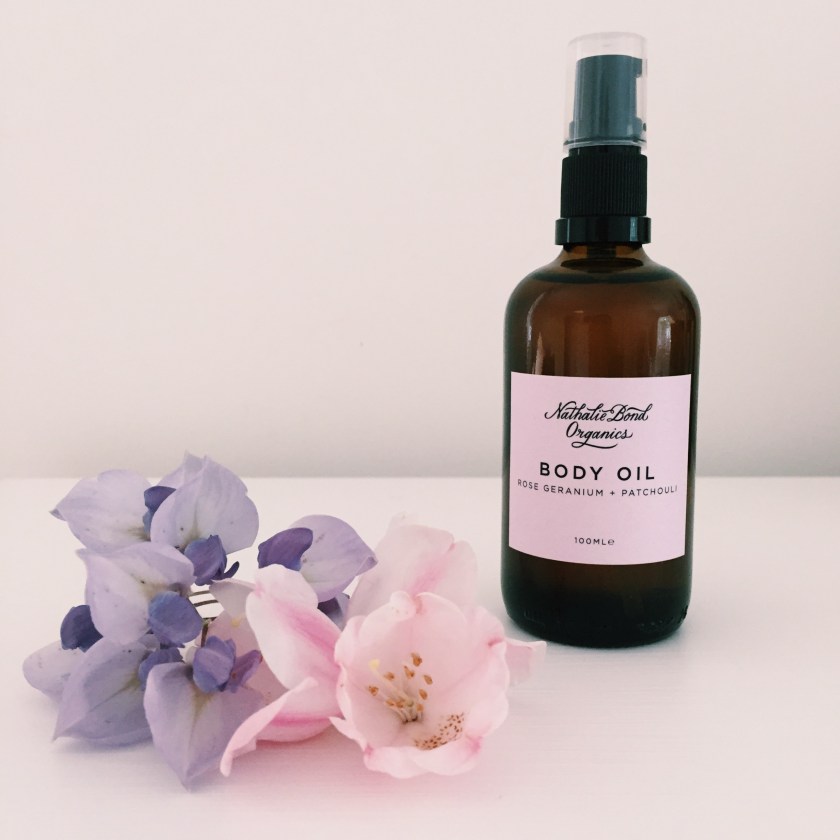
Nathalie Bond Organics Rose Geranium + Patchouli Body Oil

An oil-based moisturiser, the Rose Geranium + Patchouli Body Oil sinks deeper into the skin than its cream-based counterparts leaving you feeling hydrated for longer. I love that this is a non-greasy formula that genuinely works for softer skin. Handmade using 100% pure botanical ingredients. Vegan friendly. 

For best results, massage gently onto your skin after a bath. 
Processed with VSCO with c1 preset

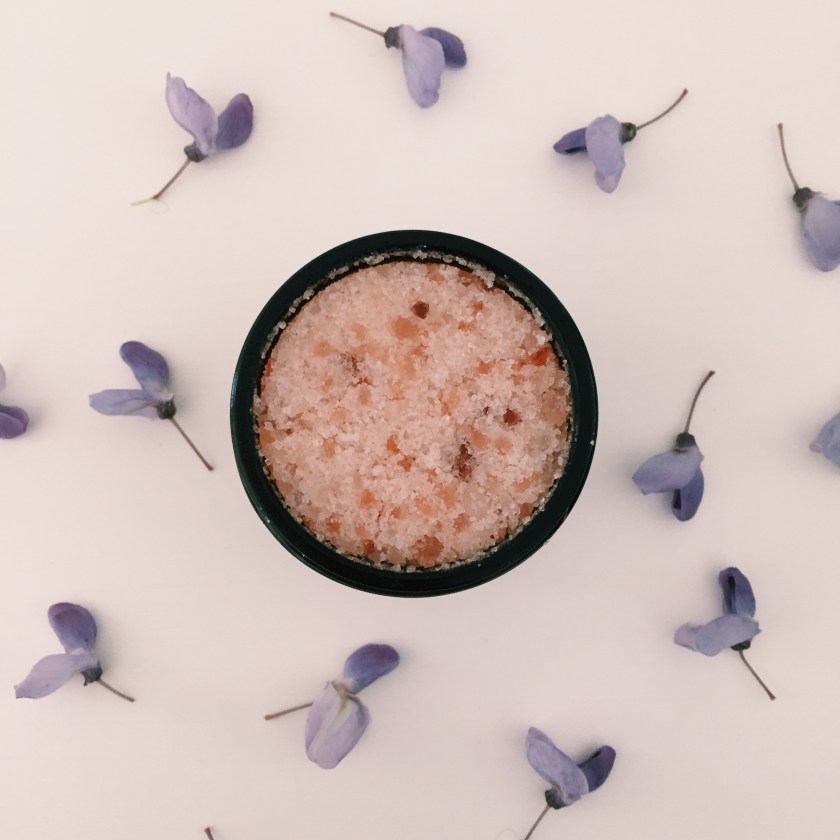
Nathalie Bond Organics Lavender + Bergamot Bath Salts

My favourite of the three, the Lavender + Bergamot Bath Salts combine both himalayan pink salts and dead sea salts with lavender and bergamot essential oils. This product is the perfect addition to any bath with its calming and soothing fragrance. Made using 100% pure botanical ingredients. Vegan friendly.

For best results add to your bath after filling so that the essential oils don’t evaporate under the running water.
Processed with VSCO with c1 preset

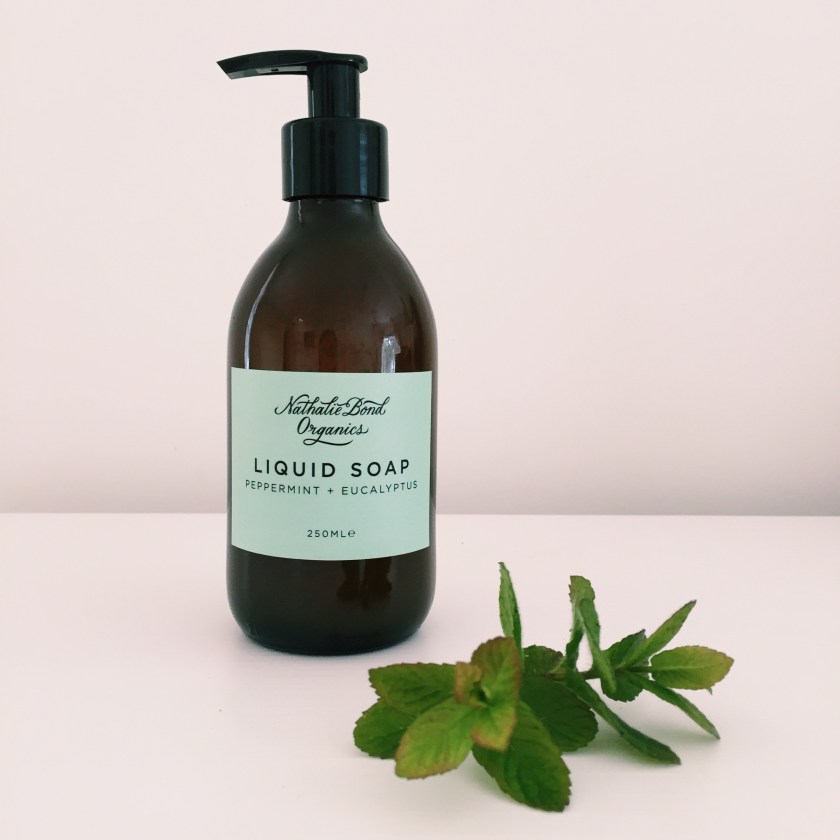
Nathalie Bond Organics Peppermint + Eucalyptus Liquid Soap

The Peppermint and Eucalyptus Liquid Soap is a refreshing serum for hand washing and showering. The peppermint and eucalyptus oils not only ensure that this product smells great but they also carry antiseptic qualities. Handmade using natural ingredients. Vegan friendly.

For best results apply generously with clean warm water.

Love the look of these beauty products? You can shop the entire collection here with the code SUSTAINABLYSIMPLE15 for a 15% discount!

*Please note that all the products you see in these photos were kindly sent to me free of cost by Nathalie Bond Organics.
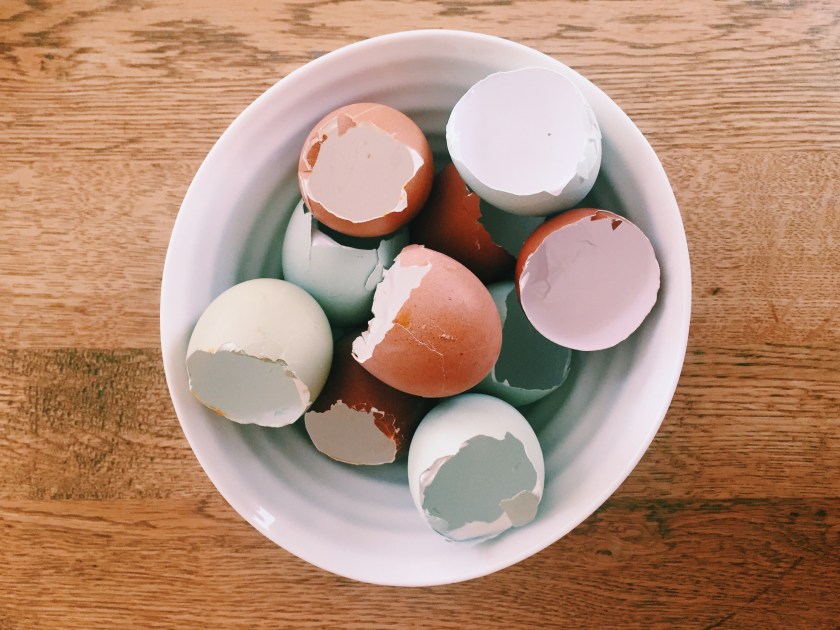

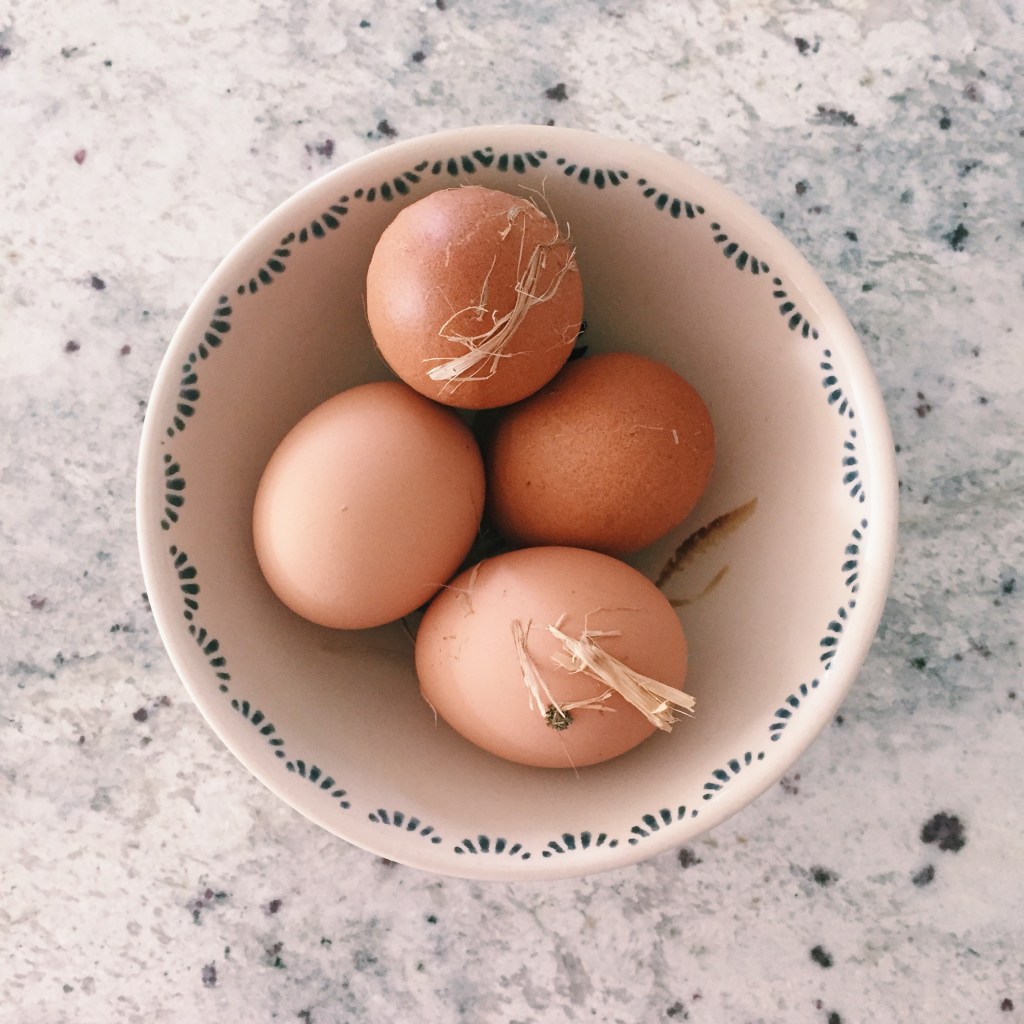
Ethical Eggs: Organic, Free Range or Local?

Where do you buy your eggs?

As a conscious consumer it is so difficult to decide between one ‘ethical’ choice and another.

Should you buy organic or free range or local? What’s the difference and what’s the best?

It really is a bit of a nightmare for the everyday conscious consumer. Far too often I find myself staring blankly in a food aisle trying to work out which label means what.

But now I’ve done the research so that you won’t find yourself in this situation anymore!

ORGANIC

  • Hens are fed an organic diet that is free from genetically modified organisms.
  • Hens are not given routine antibiotics (these are excessively used in intensive farming and are passed onto us in the food chain, undermining our ability to treat disease).
  • Hens graze on organic pasture where only natural fertilisers are used and pesticides are prohibited.
  • In the UK, organic hens must be free-range.

FREE RANGE

  • Hens have more room than battery hens because they’re not kept in cages but there are widespread concerns that they don’t actually have that much more room.
  • Free range flocks must have continuous daytime access to open, vegetated runs.
  • The maximum stocking density of these runs is 2,500 hens per hectare.

LOCAL

  • Buying local offers more transparency – you can ask questions and gain first hand knowledge of animal welfare standards on your local farm.
  • You will be supporting small, family-run farms and in turn supporting your local economy.
  • You will reduce your carbon footprint because the eggs won’t have travelled far, probably only a few miles down the road!
  • The produce will be fresh and therefore offers you more nutritional value.

*Please note that definitions and criteria surrounding organic and free range eggs vary depending on the country. Standards can also vary widely depending on the individual producer.

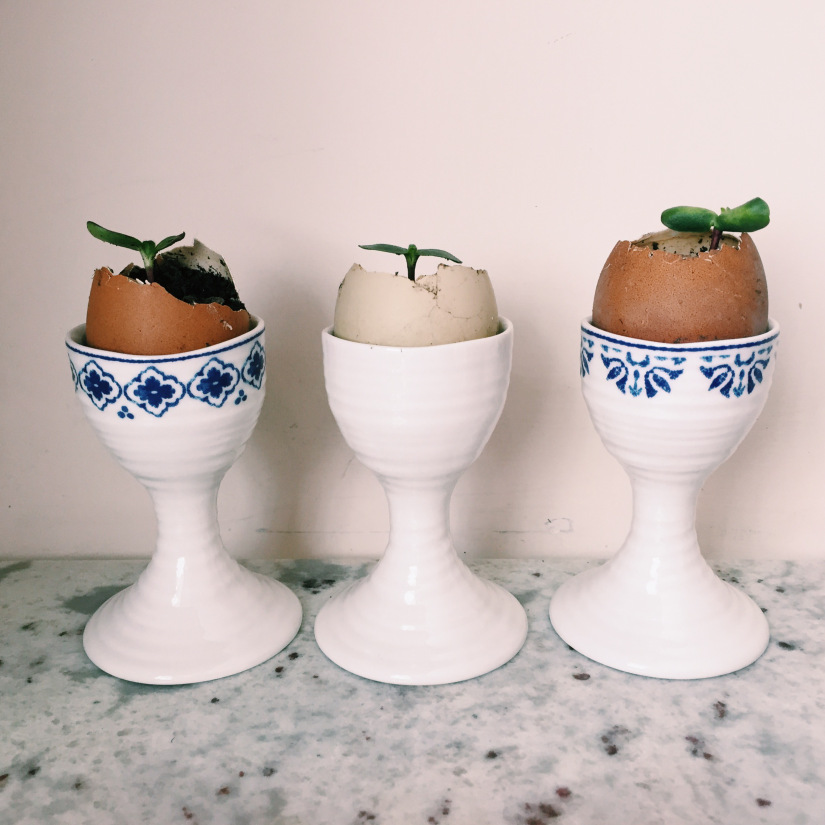
Zero waste easter egg plant pots

And while we’re on the subject of eggs why not find out how I made these super cute egg pots!

Sustainably Spring Clean Your Wardrobe

Today is the last day of Fashion Revolution Week – a week that has mobilised the world to ask #whomademyclothes and to demand more transparency in the garment industry.

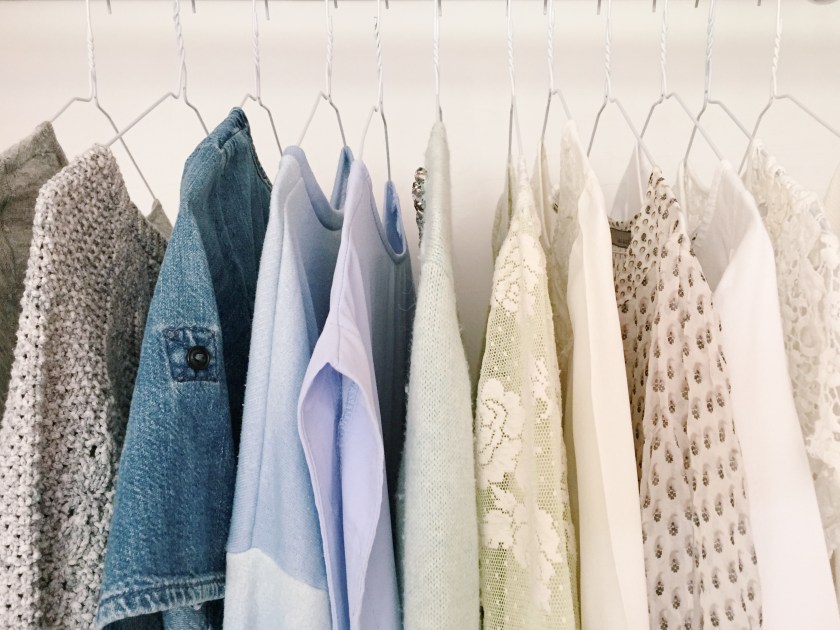
And so with this week coming to an end, I want to ask what you do with all the chlothes that you no longer want, the ones that you push to the back of your wardrobe, forever forgotten.

Is it the end for them?

The answer: absolutely not.

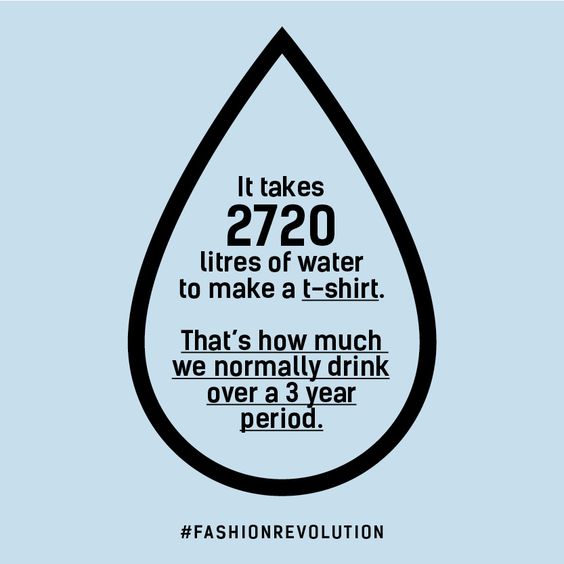
sustainably spring clean your wardrobe 1

Photo credit: Fashion Revolution

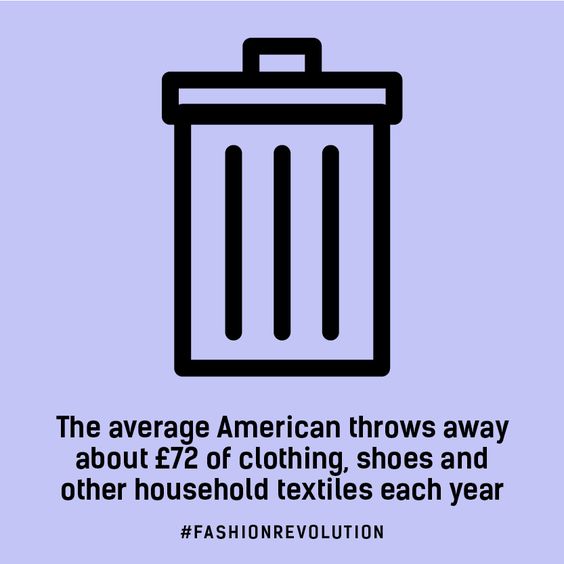
We live in a ‘throwaway society’ meaning that we throw things away as soon as we no longer see value in it, even though these things still work or still are useful.

But this is a society that is harmful to the environment and to its resources. Did you know that the fashion industry is the second largest polluter in the world after oil?

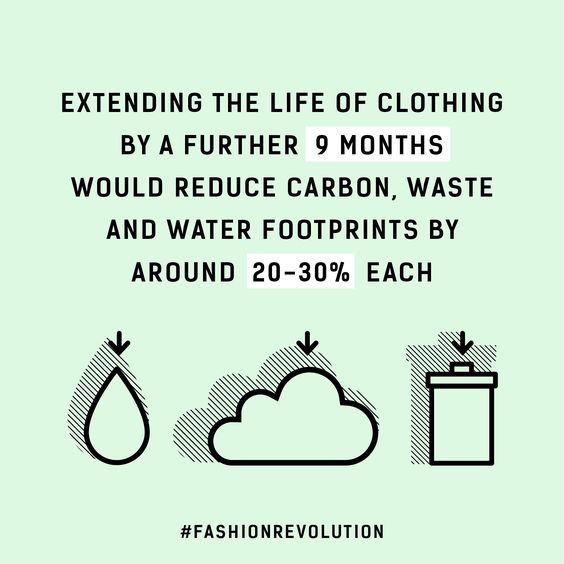
sustainably spring clean your wardrobe 3

Photo credit: Fashion Revolution

But, by extending the life of our clothes, each of us can make a significant difference to the reduction of carbon waste and water consumption.

So with this in mind I’ve put together 4 of the best ways to spring clean your wardrobe sustainably!

sustainably spring clean your wardrobe 5

Photo credit: Fashion Revolution

1. LOOK AGAIN

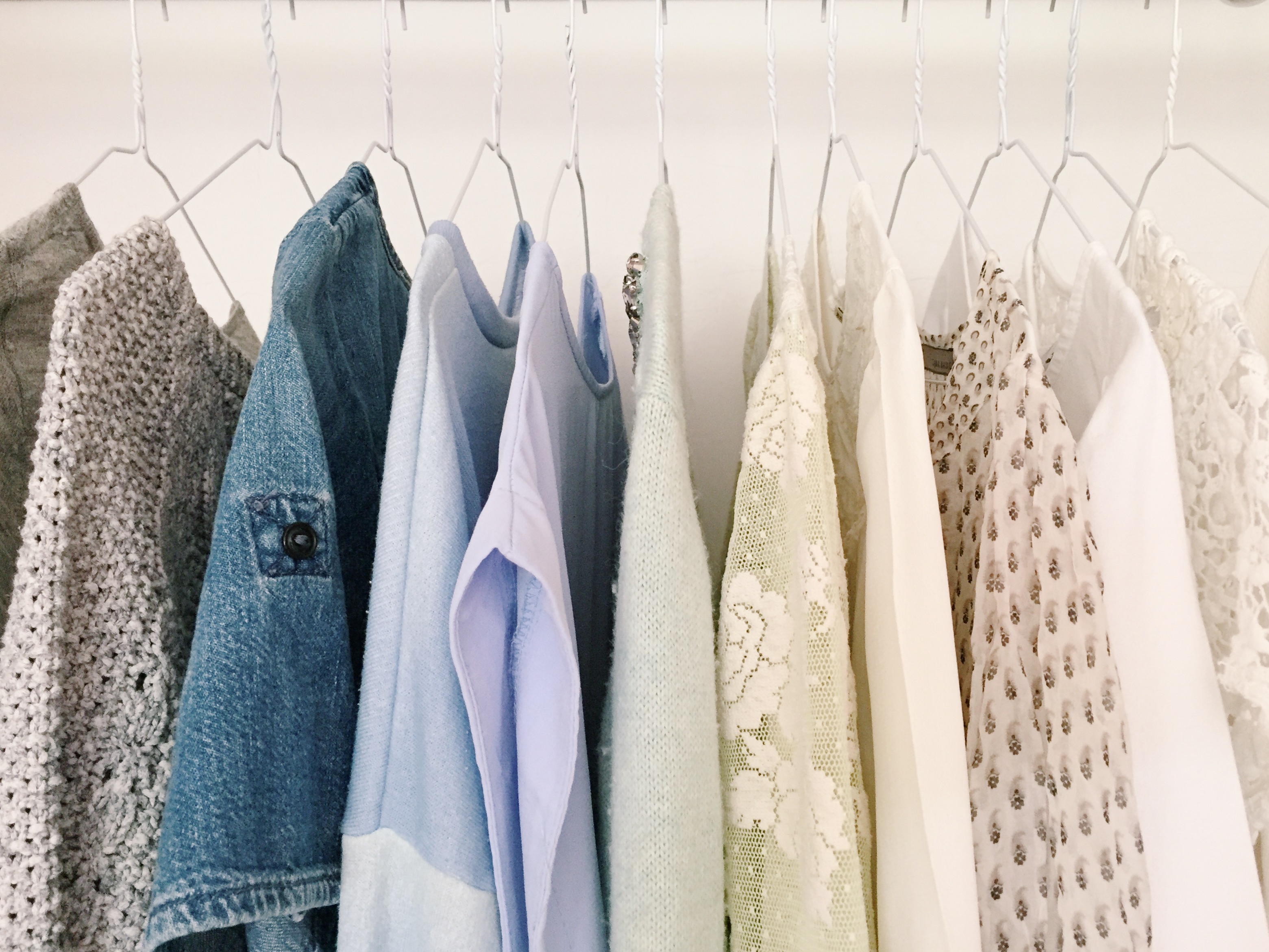
So often we forget those hidden gems that we have lying at the back of our wardrobe. We become obsessed with this idea of buying new, of buying again and again. But what if you were to look at the clothes you already own with a fresh set of eyes? Next time you open your wardrobe, look again at what you already own and I promise you will be amazed. Be creative! Think about new ways of styling your clothes in ways that will give these items a new lease of life.

2. SHARE CLOTHES

The rise of the sharing economy is one that could really shake up the fashion industry, spelling the end of fast fashion. Now, not only can you share items of clothing with your closest friends but also with people all over the world. Sites such as Poshmark, Le Tote, Tradesy and Kidizen allow consumers to sell, buy and rent items of clothing at a fraction of their retail price, promoting a smaller fashion footprint by challenging conventional ‘throwaway’ habits.

3. UPCYCLE FABRICS

For the most creative amongst you, why don’t you upcycle your clothes? There are thousands of ideas online for upcycling fabrics. One of my favourite resources is Upcycle That, a website that inspires people to creatively repurpose and reuse. Perhaps your old jeans could be remade into a cushion or that dress could become a tote… the possibilities are endless!
4. DONATE

One of the oldest and easiest ideas in the book – you can donate your clothes to charity shops or homeless shelters where not only will the items get a second lease of life but they will also be used to support worthy causes.
Sustainably Spring Clean Your Wardrobe

So there you have it – 4 ways to extend the life of your clothes. Now you have no excuse to throw them away!
If you have any other tips I’d love to hear from you in the comments section below.

Fashion Revolution: Who Made My Clothes?

With Fashion Revolution Week commencing tomorrow (24th-30th April) it is the perfect opportunity to ask #whomademyclothes?

The week poignantly falls at the same time every year on the anniversary of the Rana Plaza factory collapse, the deadliest disaster in the history of the garment industry.

The reality is that so few of us know who made our clothes, how much they get paid or what their working conditions are like.

fashion revolution who made my clothes 1.jpg

Photo credit: Fashion Revolution.

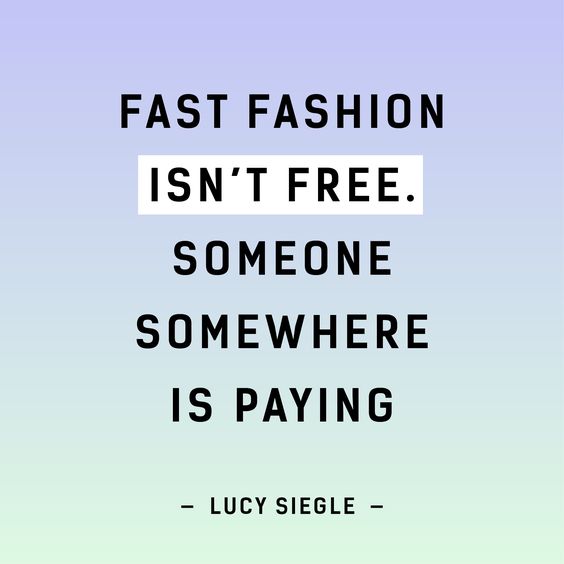
And to tell you the truth? We are all to blame. We are a society that loves a bargain. How many times have you rejoiced when you managed to buy the latest season’s “on trend” item as cheaply as possible? I know I have.

Yet never do we stop and ask ourselves why these clothes are so cheap.

fashion revolution who made my clothes

Photo credit: Fashion Revolution.

In a world where the price of everything rises over time in line with inflation, what we are actually finding is that the price of fashion is falling.

In main this is driven down by the mass production of clothing overseas where there is such little transparency – not only do we not know who made our clothes but far too often the brands behind them do not know who made them either.

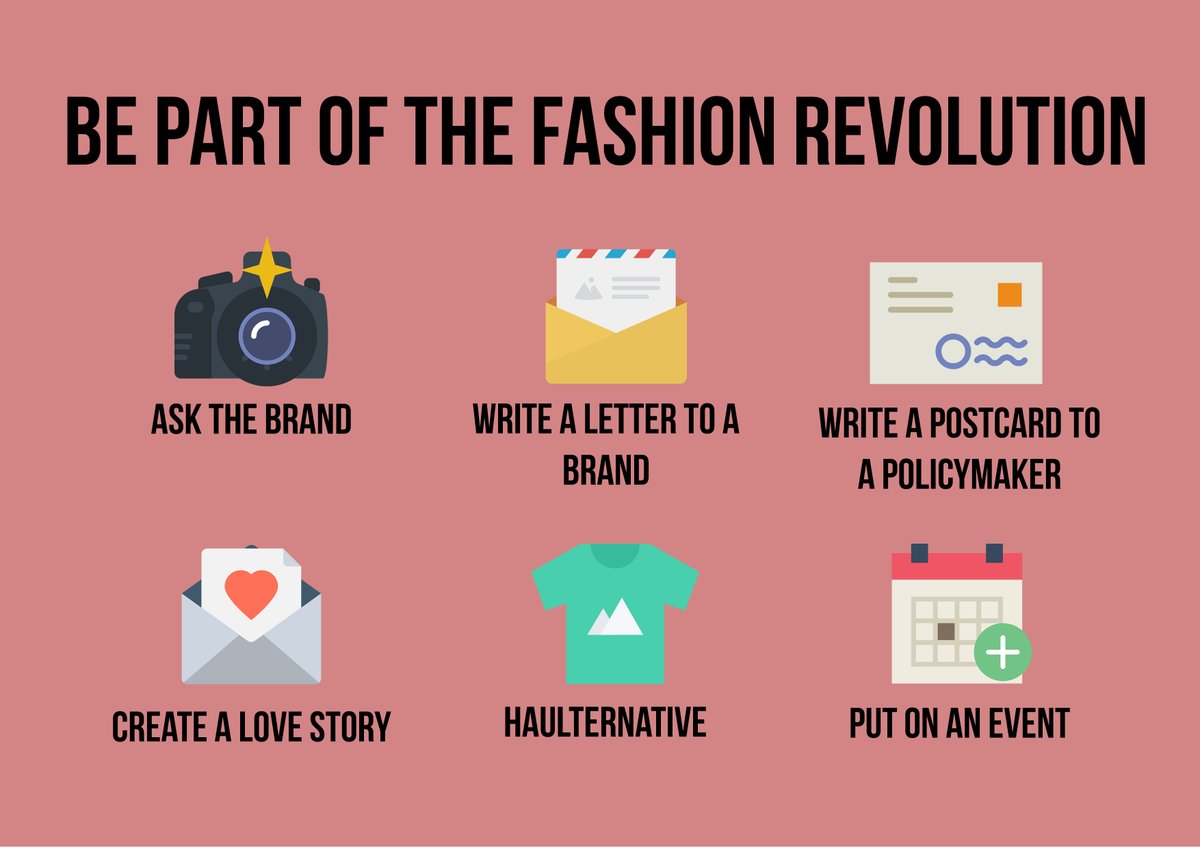
But there is some good news because, as a consumer of fashion, you can make a difference! This week be part of the Fashion Revolution, a global movement of people using the power of fashion to change the world, in any one of six ways:

FashionRevolution_actions

Photo credit: Fashion Revolution.

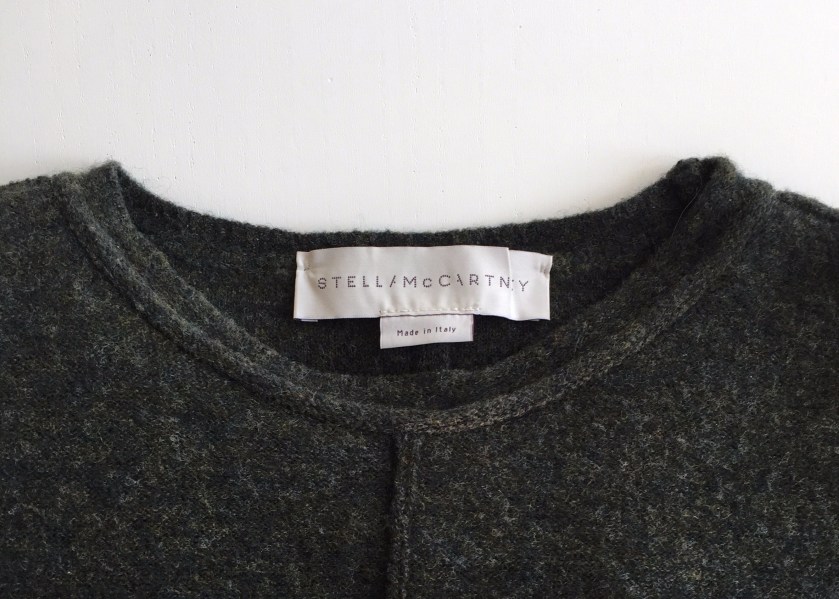
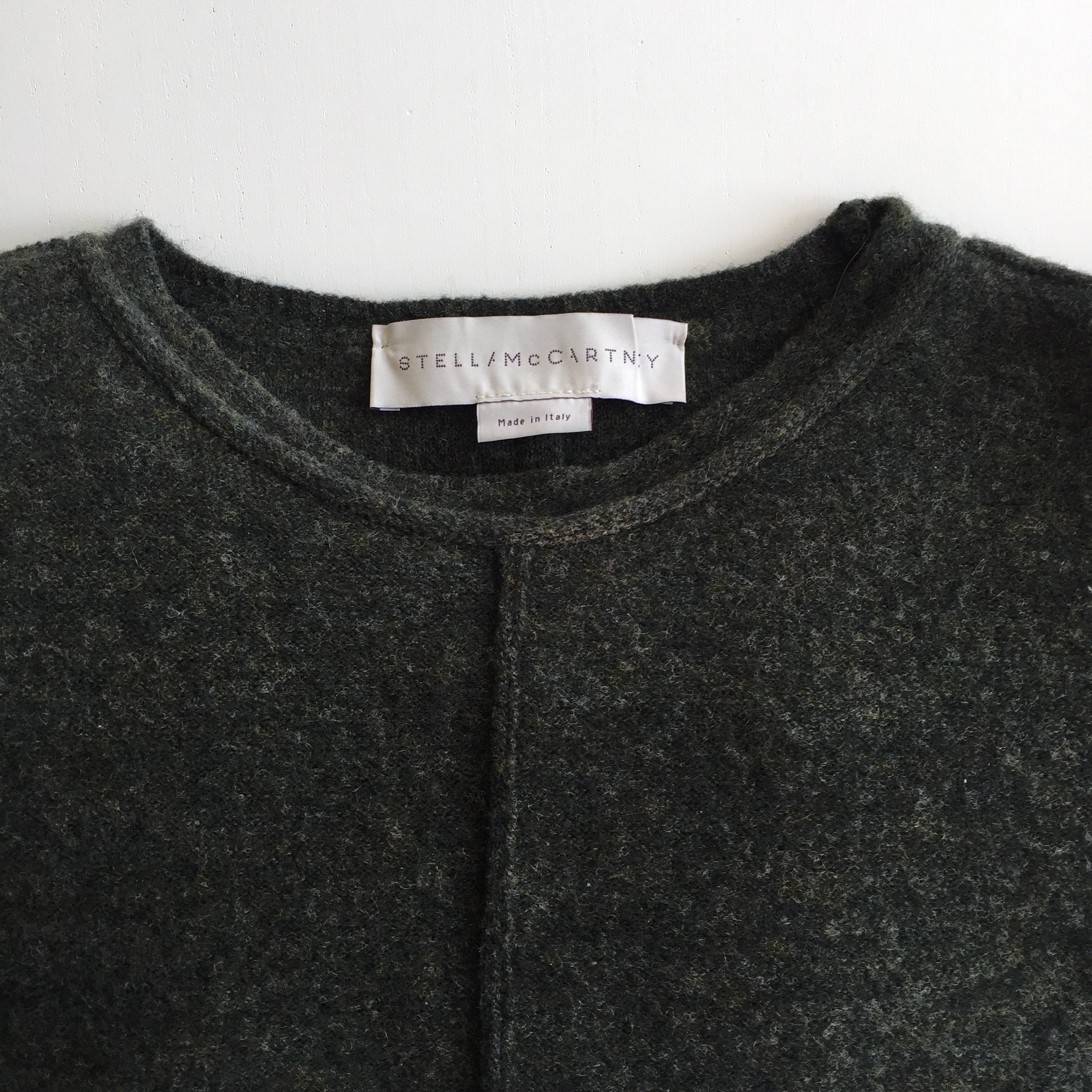
Follow me on instagram this week where I’ll be sharing some of my favourite ethical fashion pieces such as this gorgeous green felt jumper from Stella McCartney, a brand that has become synonymous with eco-luxury fashion.

4EA06C20-6431-46AA-B849-623E20736C73

How will you be making a difference? Let me know in the comments section below!

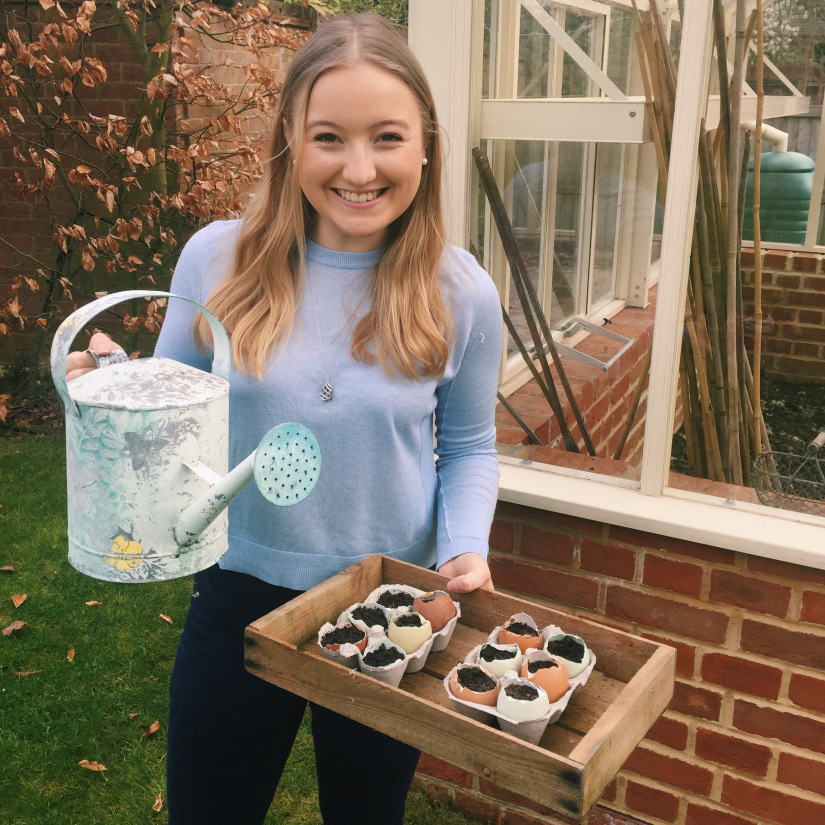
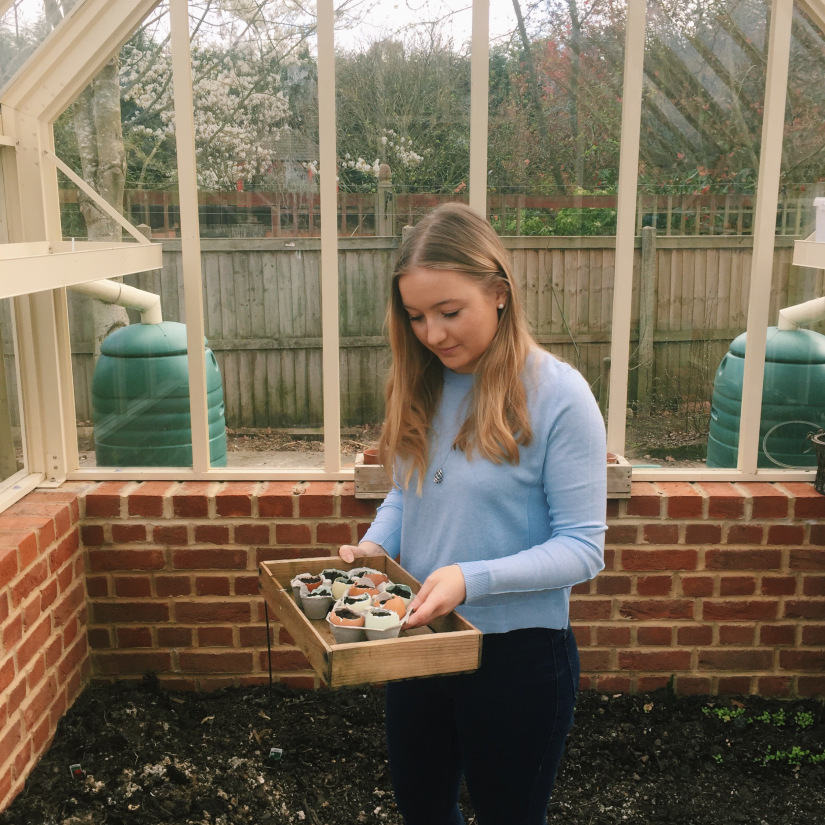
Zero Waste: Easter Egg Plant Pots

The long Easter weekend is finally here!

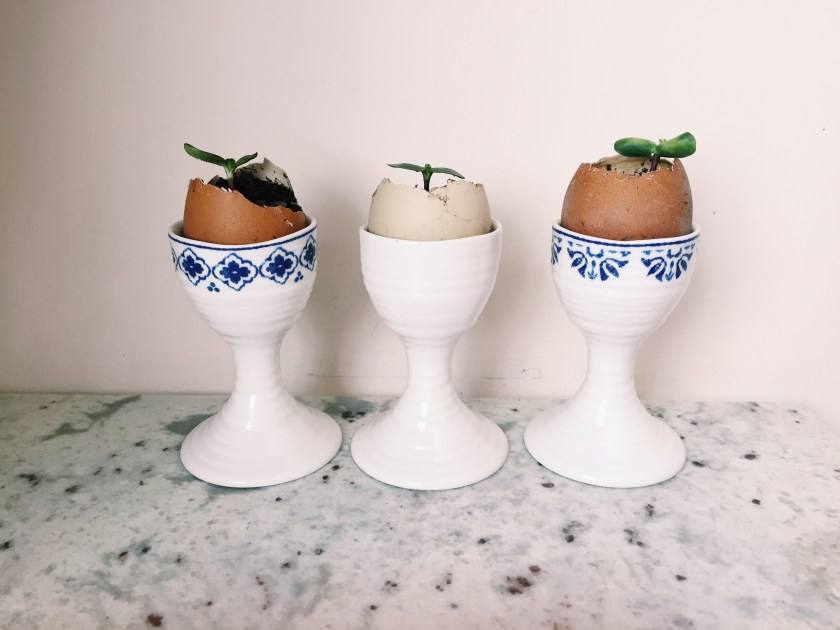
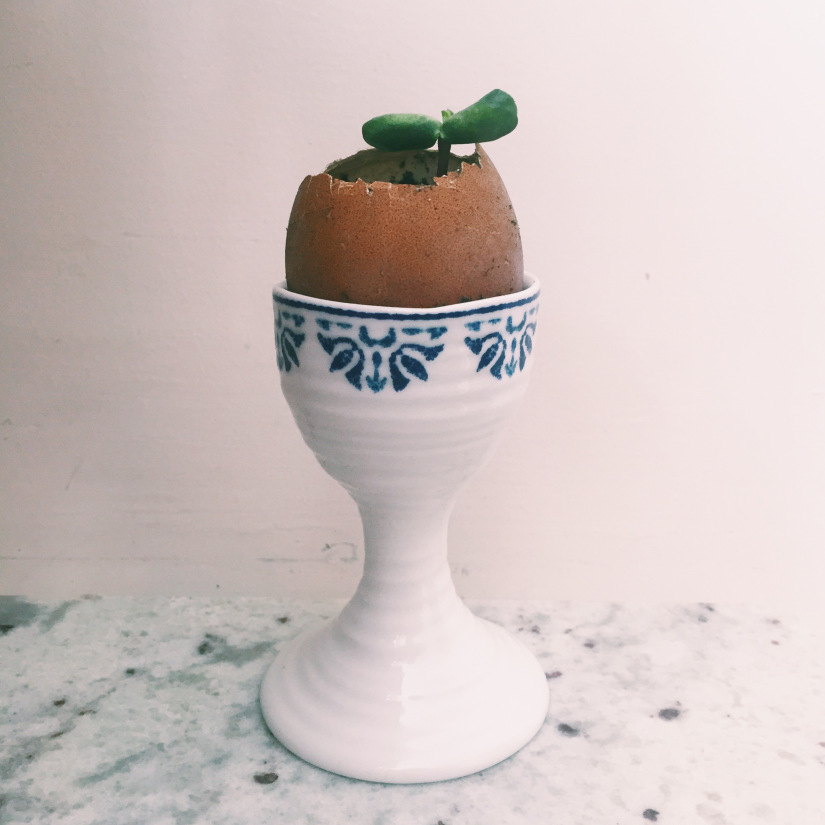
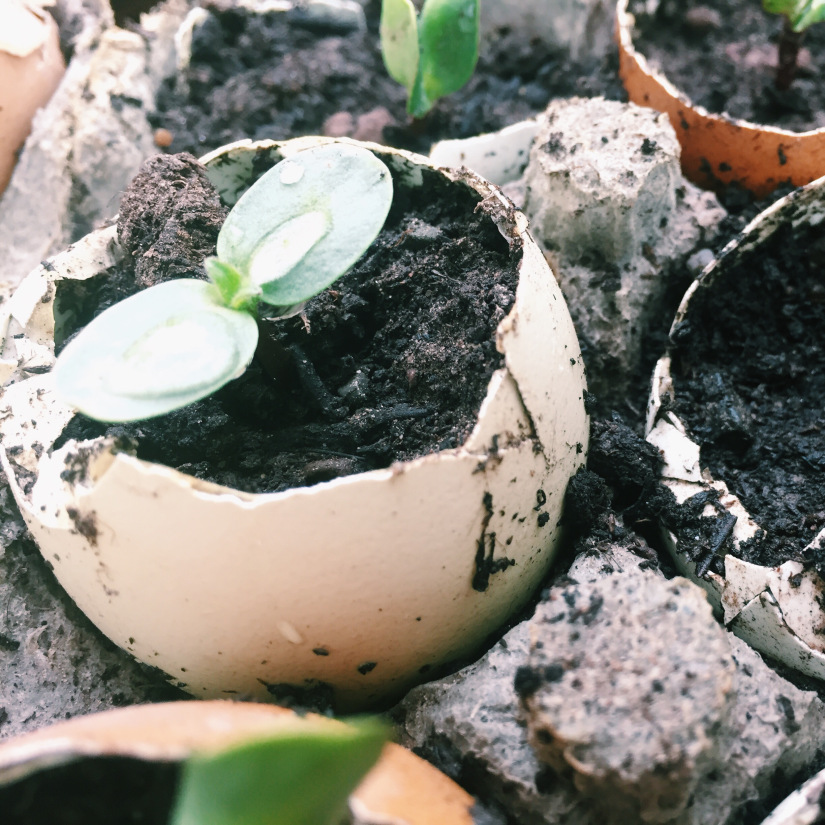
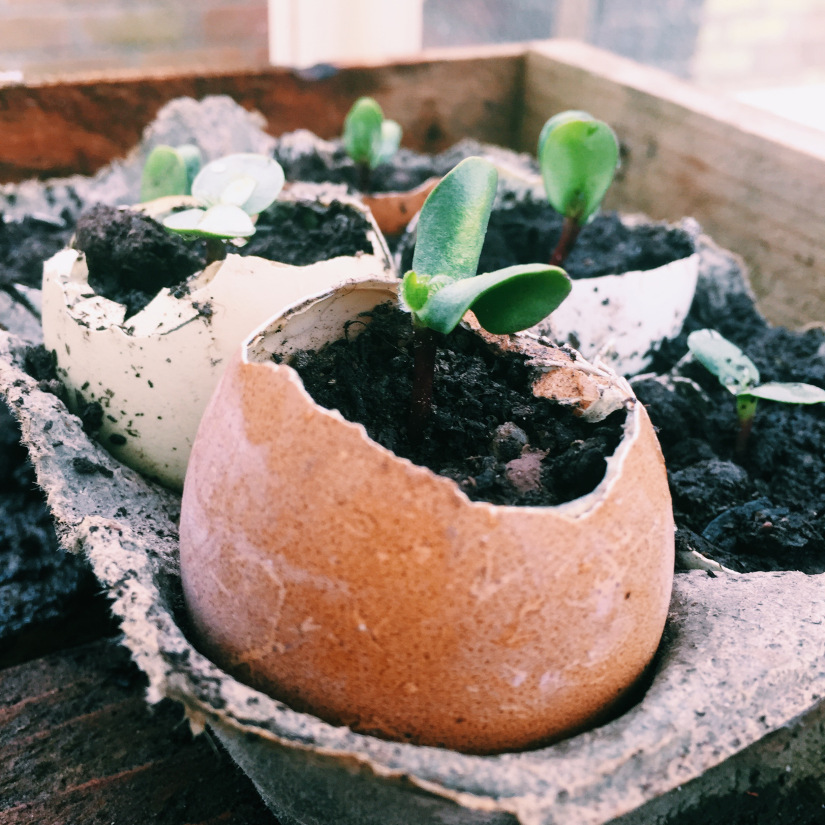
And, just in case you happen to have a little extra time on your hands, I have a great zero waste idea: planting seeds using egg shells.

It’s really simple and the end result is a cute Easter display of green shoots.

Processed with VSCO with c1 preset

They make the perfect gift at this time of year!

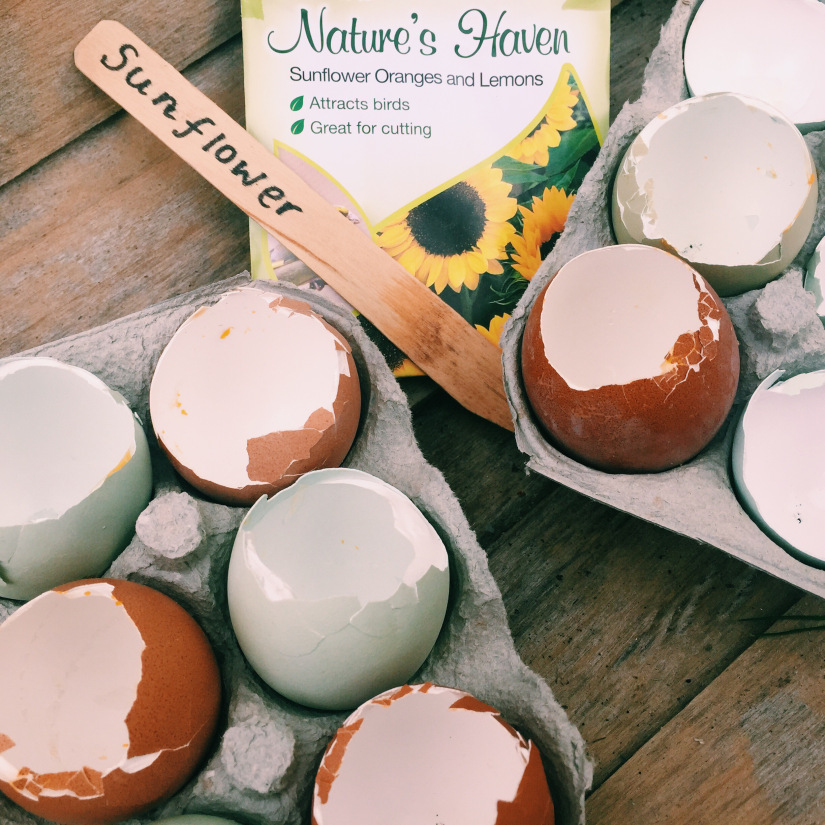
What you will need:

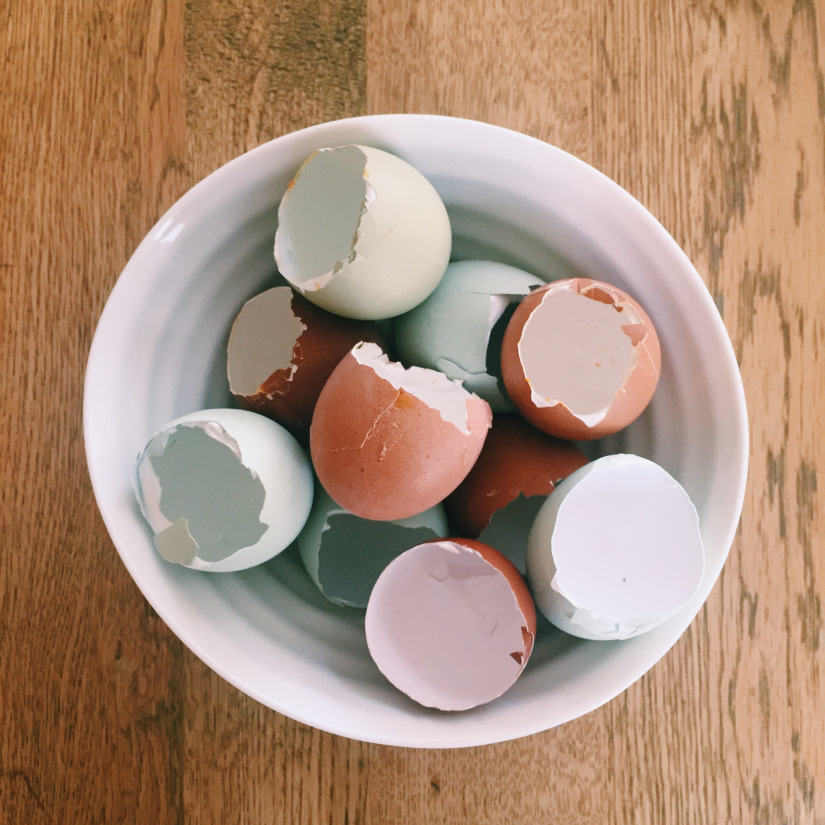
  • Empty egg shells
  • Egg box/ container
  • Potting soil
  • Seeds – any of your choice!

Method:

  1. Rinse your egg shells and pierce the base with a small needle for drainage.
  2. Gently fill the shells with soil and plant your seeds below the surface.
  3. Place them in a container on a sunny windowsill and water them every few days.
  4. Wait for the green shoots to sprout!

Processed with VSCO with c1 preset

Processed with VSCO with c1 preset

Processed with VSCO with c1 preset

Processed with VSCO with c1 preset

Once ready to transplant outdoors, crush the shell so that roots can grow.

N.B. The egg shells will add calcium to your soil which is why they are traditionally great for composting!

Later in the year when my sunflowers are fully grown they will attract bees, birds and other wildlife. But, saying that, you really can try this idea with any variety of seed.

Let me know if I’ve inspired you to plant your own Easter egg plant pots and, as always, feedback is welcome in the comments section below.

Your Ethical Easter Egg Guide

With the Easter weekend now only two weeks away it’s time to start thinking about the gifts we’re going to buy, the cards we’re going to send and the chocolates we’re going to eat.

With so much choice it can be difficult to make the right decisions as a responsible consumer but that’s why I’m here – to share with you the creme de la creme of ethical easter egg shopping!

N.B. All the eggs featured in this guide are either fairtrade certified, organic or both.

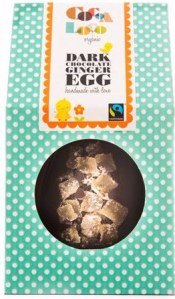
1. Cocoa Loco Dark Chocolate Ginger Easter Egg £9.61. Photo credit: Cocoa Loco.

cocoa loco fairtrade dark chocolate egg

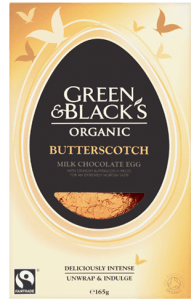
2. Green & Blacks Butterscotch Chocolate Easter Egg £6.59. Photo credit: Green & Blacks.

green and blacks fairtrade butterscotch chocolate egg

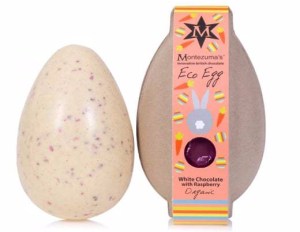
3. Montezumas White Chocolate with Raspberry Eco Egg £7.99. Photo credit: Montezumas.

montezumas organic white chocolate with raspberry egg

4. Divine Milk Chocolate Salted Caramel Popcorn Easter Egg £10.95. Photo credit: Divine.

divine fairtrade chocolate easter egg

5. Booja Booja Fine de Champagne Truffles Easter Egg £10.85. Photo credit: Booja Booja.

booja booja organic champagne chocolate egg

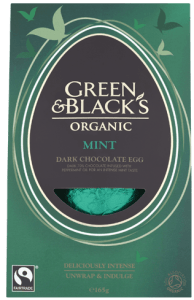
6. Green & Blacks Mint Chocolate Easter Egg £6.59. Photo credit: Green & Blacks.

green and blacks fairtrade mint chocolate egg

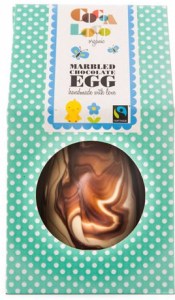
7. Cocoa Loco Marbled Chocolate Easter Egg £9.61. Photo credit: Cocoa Loco.

cocoa loco fairtrade marbled chocolate egg

Let me know in the comments section below if there’s any ethical easter eggs I’ve missed!

10 Easy Ways to Protect Nature

Vincent Van Gogh once said “If you truly love nature, you will find beauty everywhere.”

I find that to be most true at this time of year when colour begins to sweep across the country, replacing the grey of winter with the vibrancy of spring.

On Monday we celebrated the first day of spring which got me thinking about people’s relationship with nature and why exactly this is important.

Did you know that nature is actually good for both our health and our happiness?

10 easy ways to protect nature10 easy ways to protect nature10 easy ways to protect nature

I took these photos in the last week or so across the Essex and Suffolk countryside. They perfectly depict the beauty of our natural world at this time of year don’t you think?

However modern lifestyles present a very serious threat to nature through habitat loss, pollution and climate change.

If we are to minimise our threat to biodiversity then we must seek to live more sustainably.

10 important things to remember:

  • Recycle and reuse to prevent unnecessary waste.
  • Plant flowers in your garden to encourage wildlife.
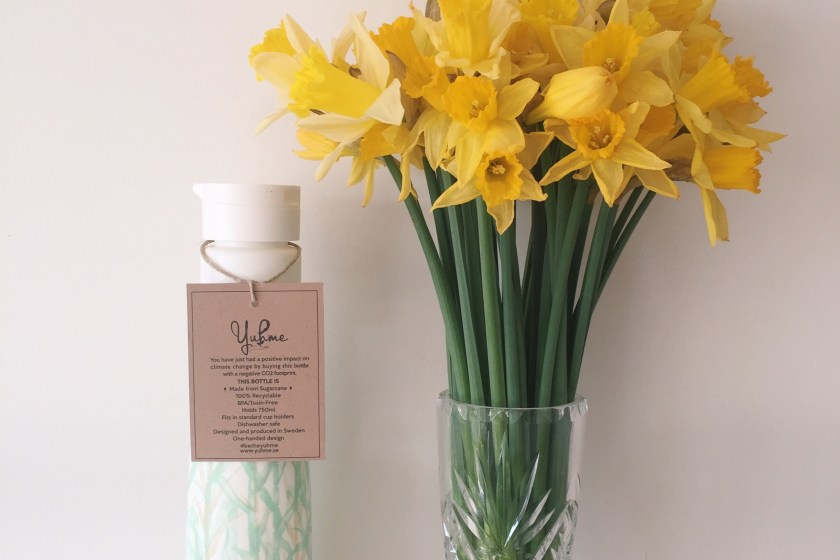
  • Don’t buy plastic water bottles – use reusable ones such as those from Yuhme.
  • Cycle, walk or use public transportation to help cut pollution.
  • Start composting – it provides an excellent habitat for many garden creatures.
  • Buy organic produce where possible.
  • Use alternatives to plastic bags such as wicker baskets or canvas bags.
  • Don’t use pesticides.
  • Buy locally grown food to reduce emissions.
  • Don’t litter – it is harmful to the environment and to wildlife.

I certainly enjoyed the wonders of our natural world this weekend which I spent on the Suffolk coast, perusing the local stores and walking my dog through the countryside.

Processed with VSCO with c1 preset

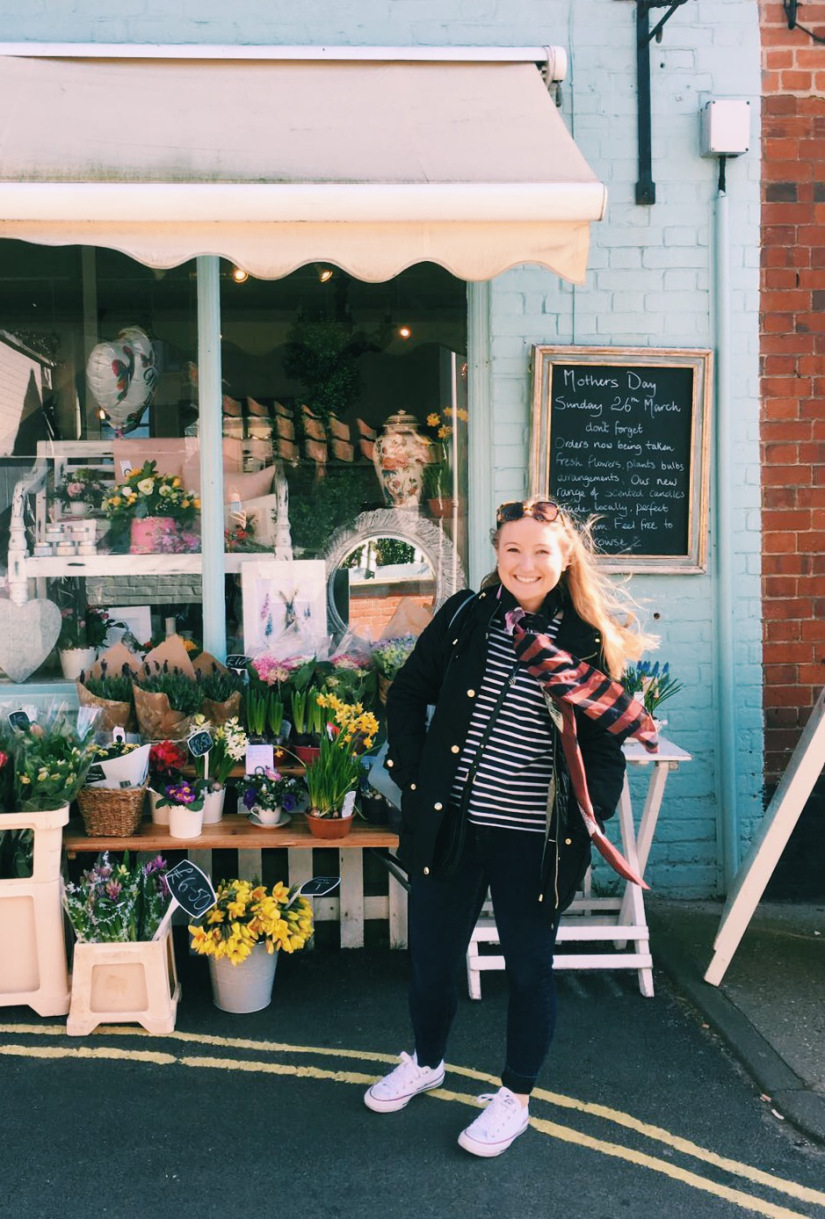
Buying some last minute flowers for Mother’s Day.

Processed with VSCO with c1 preset

How gorgeous are these!

Homemade Sustainable Soaps

The world of personal care can at times be tricky to navigate if you are looking for something that’s natural/ organic/ cruelty free/ vegan/ ethically sourced … the list could go on.

That’s why I decided to look into making my own soap and given that I’m an absolute beginner I was pretty happy with the results.

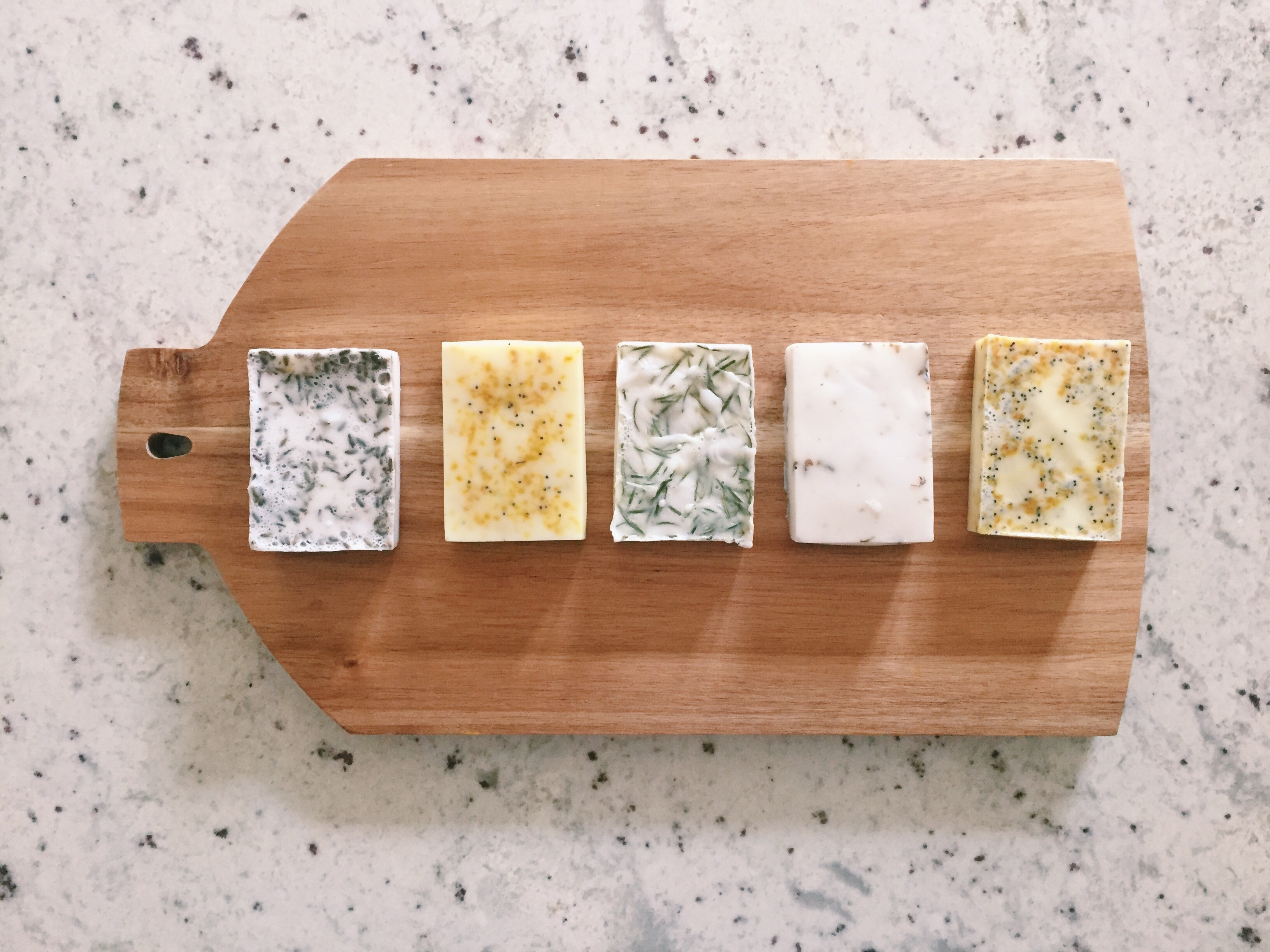
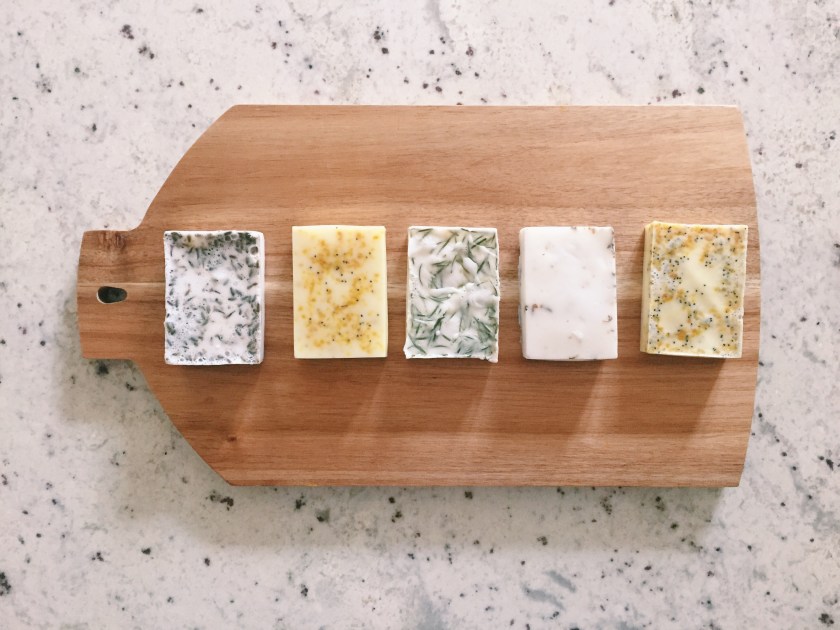
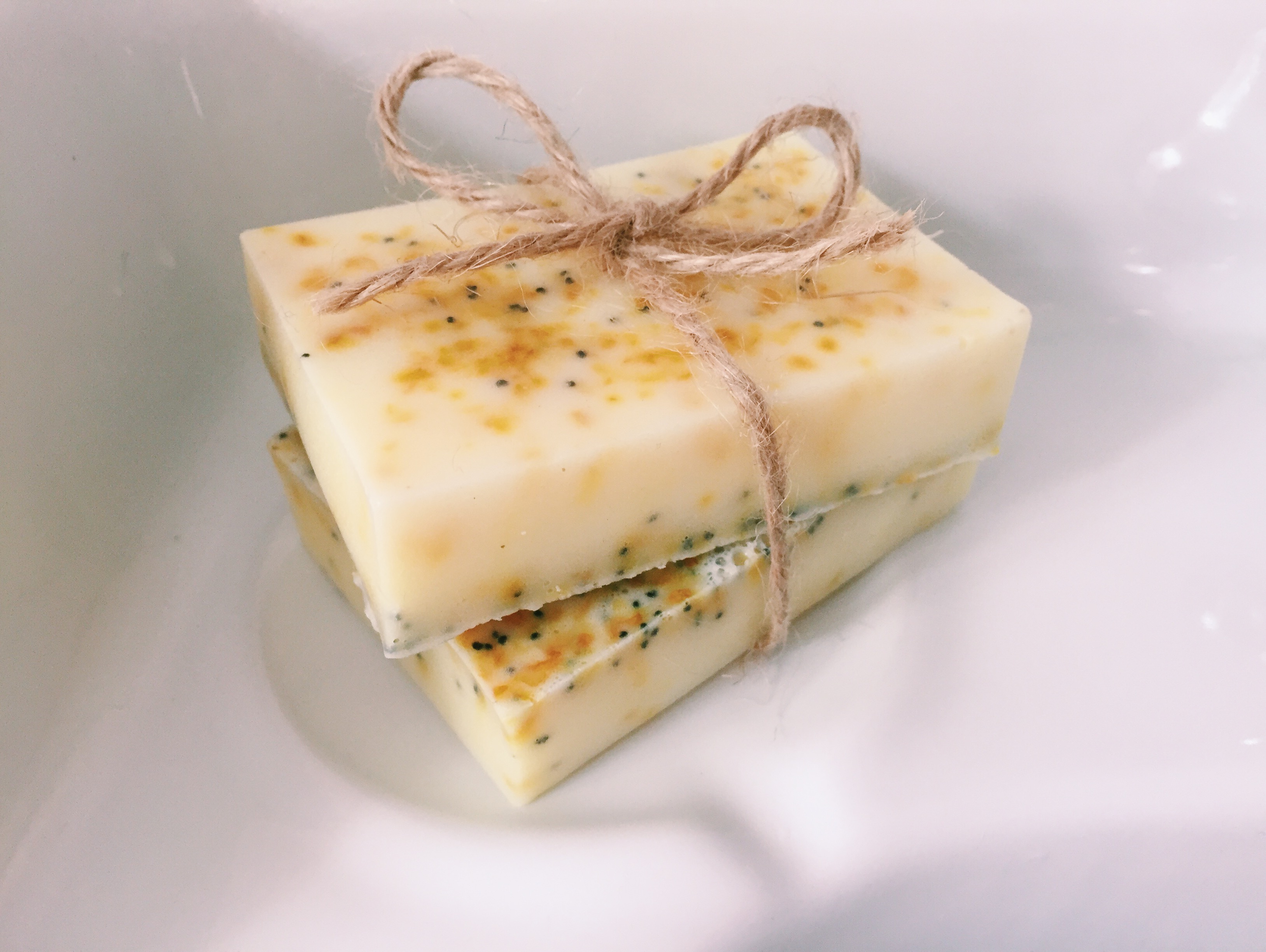
Lemon and poppy seed homemade soap

Lemon & Poppy Seed Homemade Soap

Lavender and chamomile homemade soap

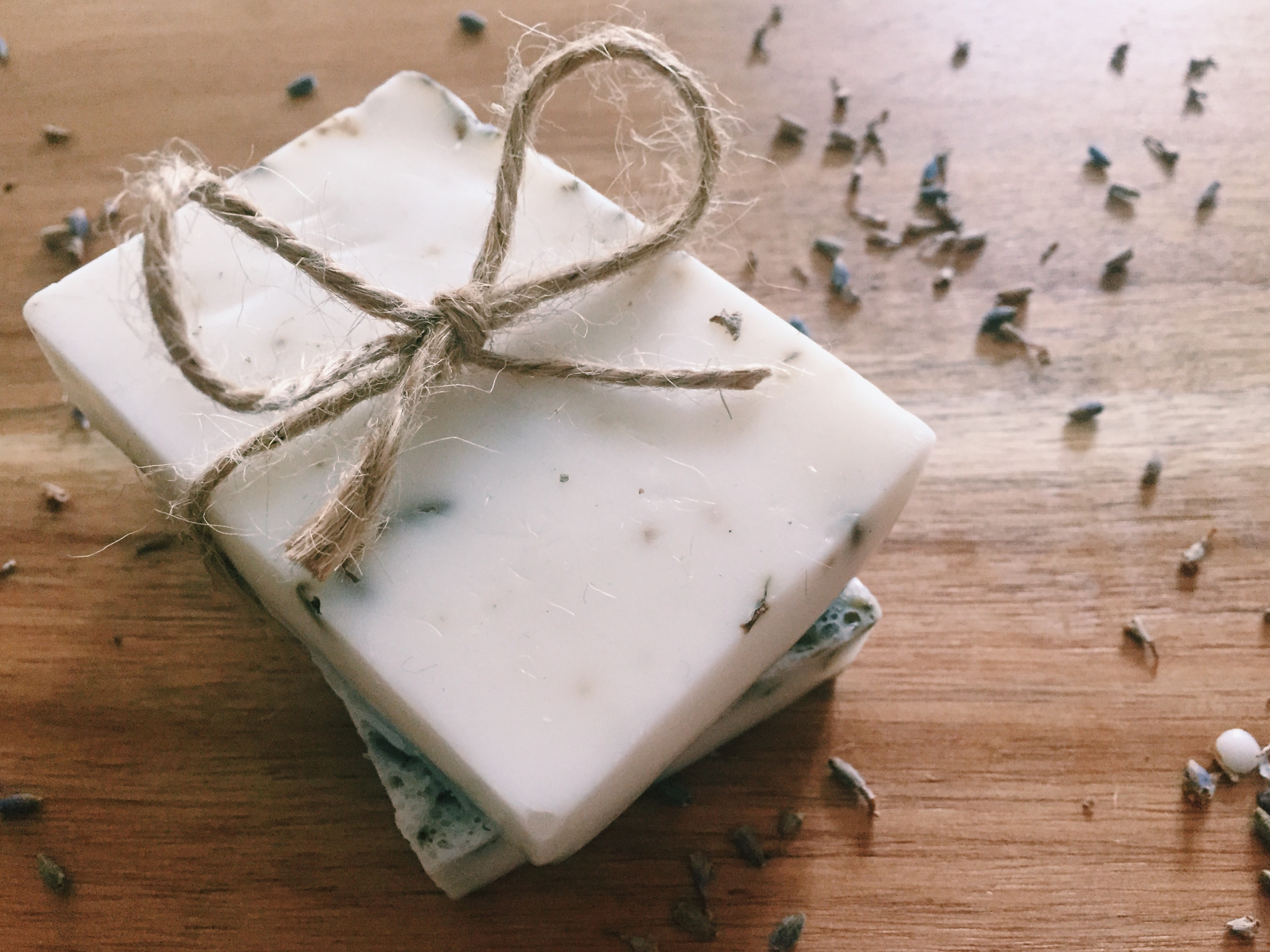
Lavender & Chamomile Homemade Soap

I was surprised by how simple the process was too!

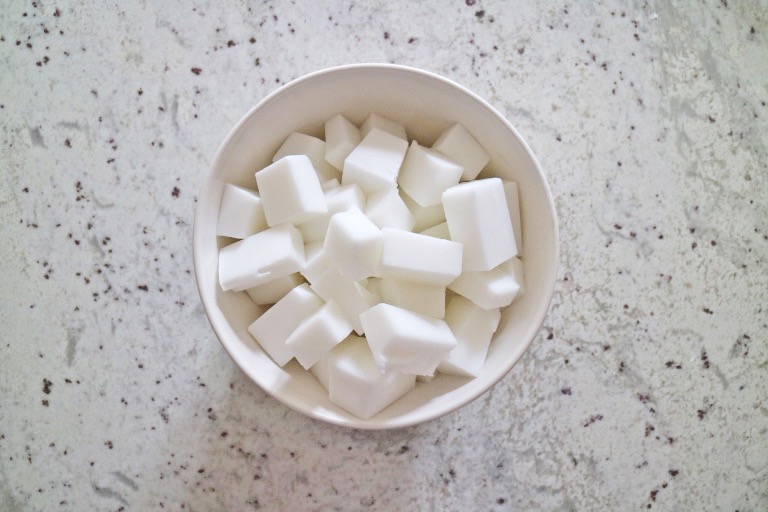
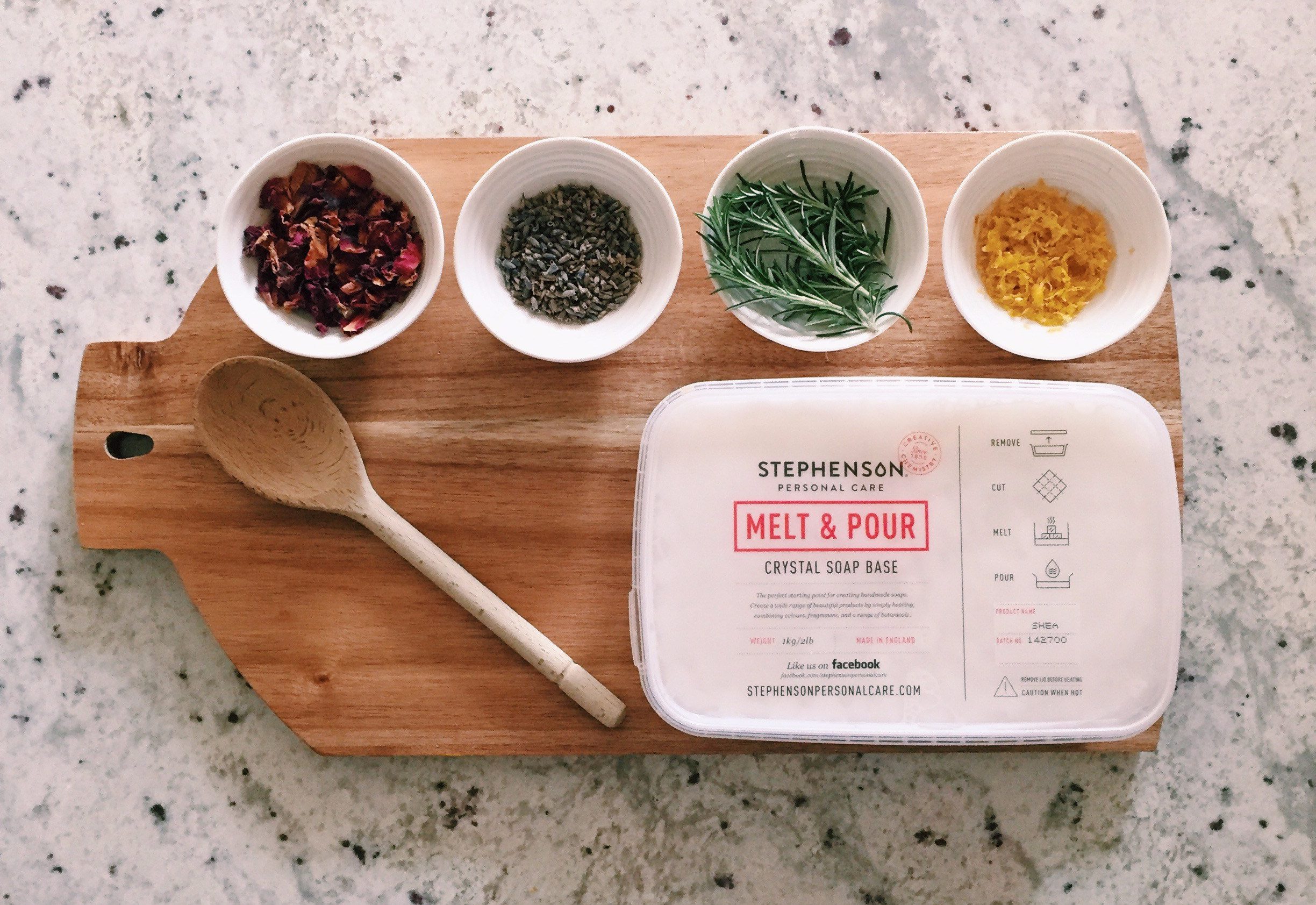
First you will need to buy a melt and pour soap base which I recommend buying from Stephenson Personal Care. There are a couple of reasons for this: no animal fats were used to make this product nor were animals tested on, making it suitable for both vegetarians and vegans. Plus the company is extremely committed to driving a sustainable business through ethical sourcing and responsible product development – you can read more here.

Homemade Sustainable Soaps

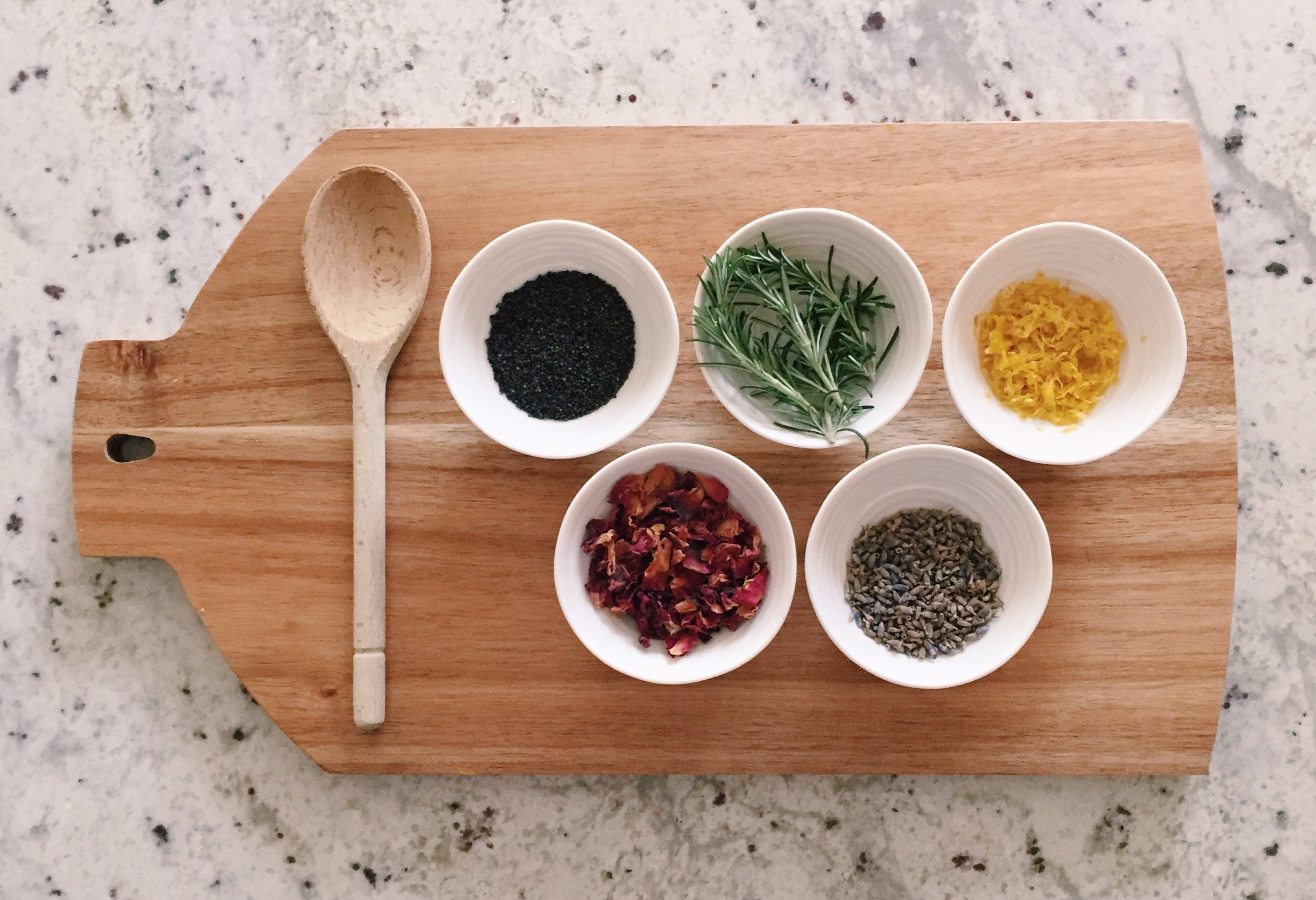
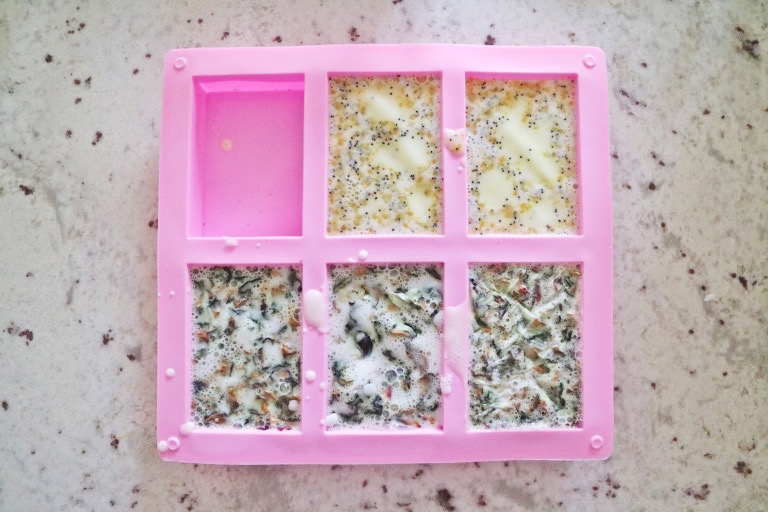
Next you should think about what botanicals and essential oils you want to use in your soaps. It’s worth experimenting (or doing some very thorough research online) because not everything will work. For example I tried using dried rose petals but they went black when I poured them into the hot soap mixture.

The combinations that did work well however were: lavender + chamomile essential oil, rosemary + lavender essential oil, lemon zest + poppy seed + lemon essential oil.

Homemade Sustainable Soaps

I bought my organic essential oils from Neal’s Yard but there’s lots of other companies you can buy from and it’s worth shopping around because the prices can vary wildly.

For my soap moulds I recommend a silicone tray which makes it easier for popping out the soap than a rigid mould.

540741FF-D650-459A-AD1E-C9ED786C2578

You will need:

  • Melt and pour soap base
  • Botanicals
  • Essential oils
  • Soap moulds

Homemade Sustainable Soaps

Method:

  1. Cut the soap base into pieces and place into a microwavable bowl.
  2. Microwave until the soap has melted (~ 2 minutes).
  3. Gently stir in the essential oils and botanicals.
  4. Pour the mixture evenly into the moulds.
  5. Place the moulds in the fridge for up to an hour.
  6. Once the soaps have set remove them from the moulds.

They’re ready to use immediately or perfect to give away to friends and family on special occasions.

Please note – they should be perfectly imperfect!

Homemade Sustainable Soaps

The World’s Most Eco-Friendly Water Bottle

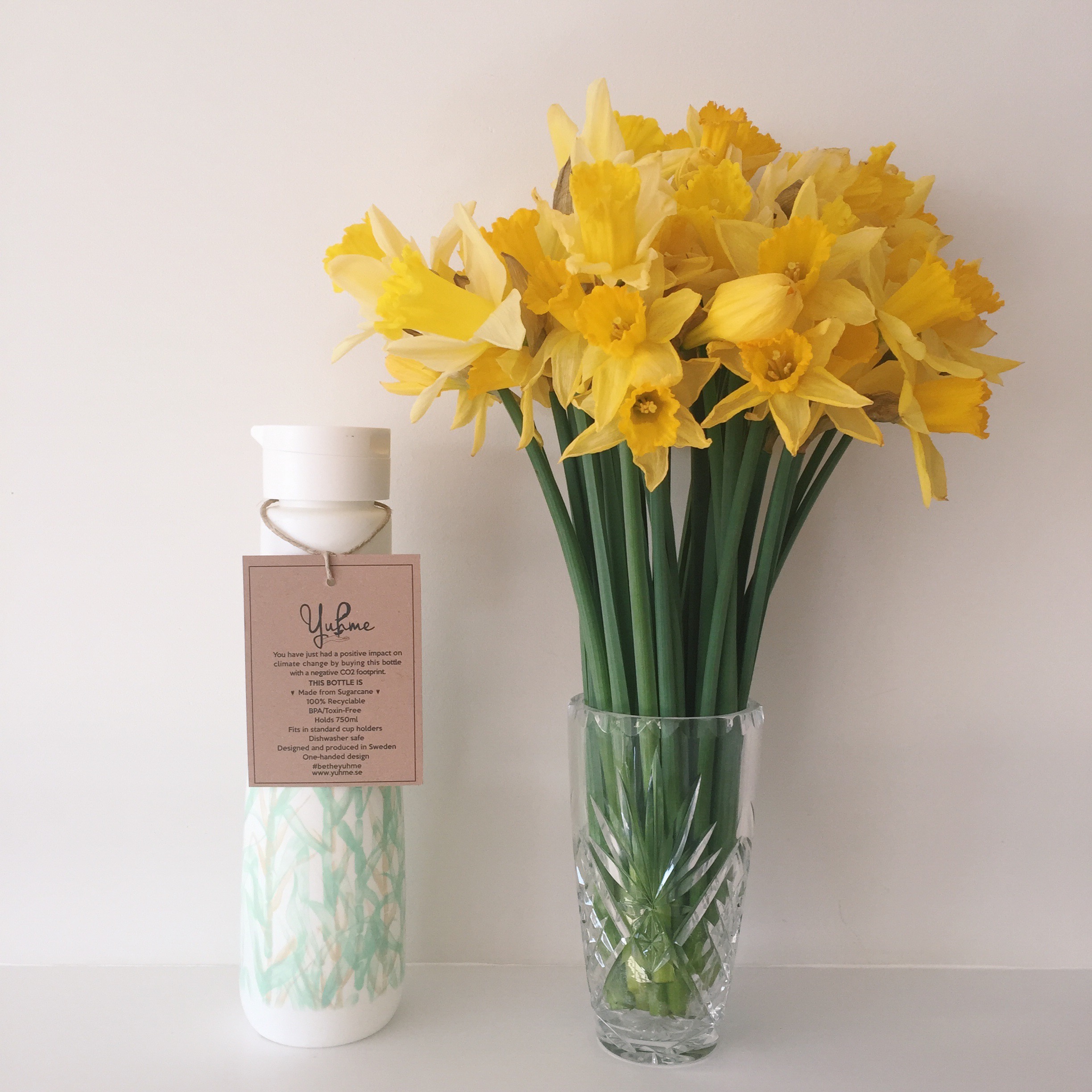
‘Yuhme – the world’s most eco-friendly water bottle’

Not long ago, the founders of Yuhme began asking themselves some fundamental questions such as “How can we make a difference? To ourselves, our children and the lives of others?”

Since then they have launched the world’s most eco-friendly, reusable water bottle with a purpose.

The world's most eco-friendly water bottle

The world’s most eco-friendly water bottle

That’s pretty impressive if you ask me because there’s so few people out there who, upon posing such fundamental questions, will go out into the world and make a real difference.

So how exactly are Yuhme claiming that their product is the ‘world’s most eco-friendly’ water bottle?

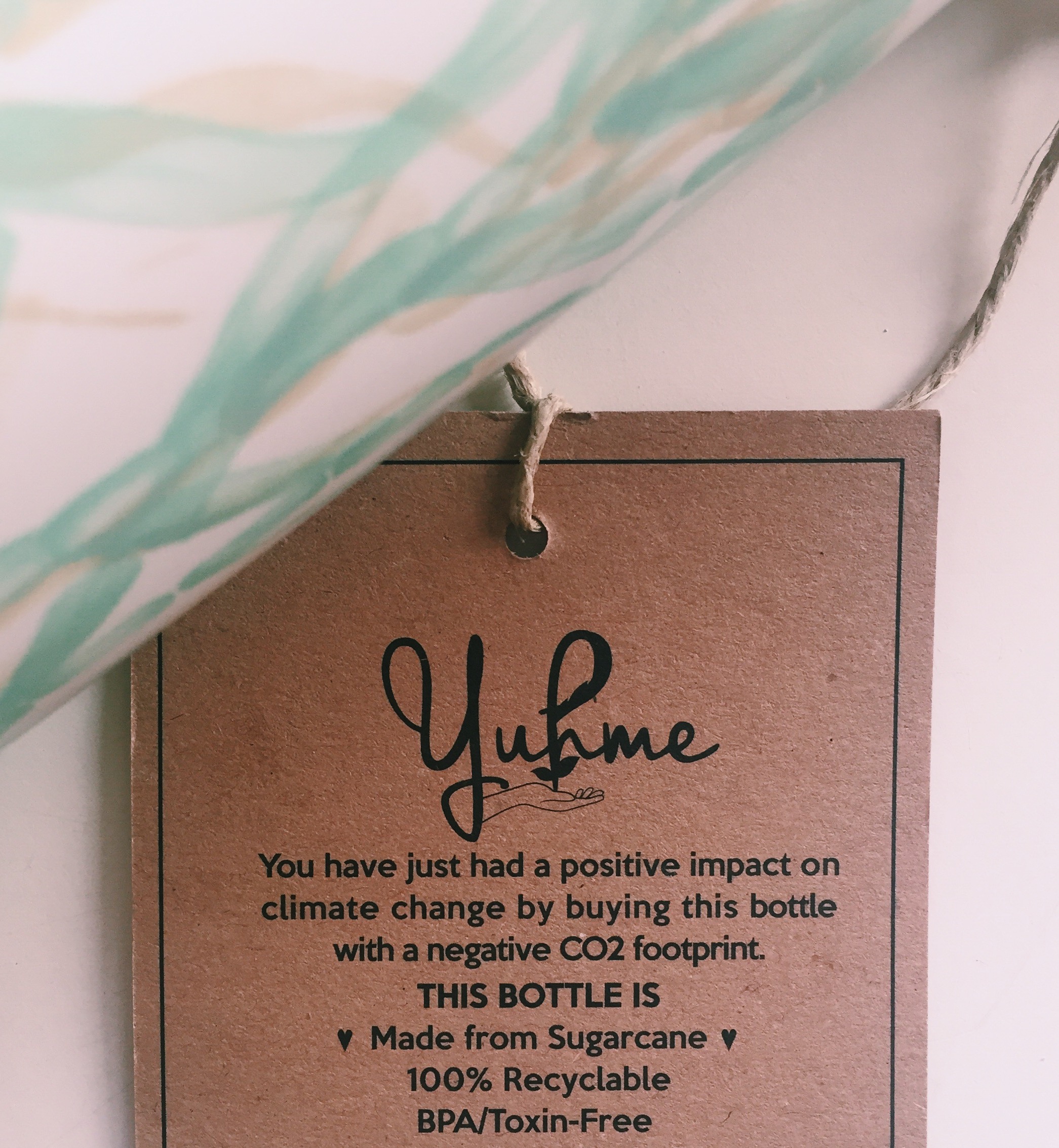
  • Yuhme water bottles are made from sugarcane, a renewable resource (unlike steel, aluminium, glass and oil-based plastics).
  • There is no other water bottle on the market with a lower CO2 footprint – in fact Yuhme water bottles are CO2 negative.
  • They are designed and produced in Sweden in a no waste production site.

The world's most eco-friendly water bottle

This is one of three gorgeous designs that you can shop online

And Yuhme haven’t stopped there because not only are their water bottles helping to reduce greenhouse gas emissions but the the sale of each bottle provides 6 months of clean water to someone in the Central African Republic.

Through the purchase of a Yuhme water bottle your money will help to fund projects carried out by  Water for Good, a charity that engages and involves local communities in the supply of clean water. By enabling self-sustainability Water for Good are facilitating poverty reduction in the Central African Republic.

So there you have it – the world’s most eco-friendly water bottle with a purpose!

Buy online here.

Make Fairtrade Your Cup Of Tea

Imagine if you could change lives from your bed.

What if I said that you can?

The truth is that with every decision you make as a consumer, you also make a decision for the kind of world you want to live in.

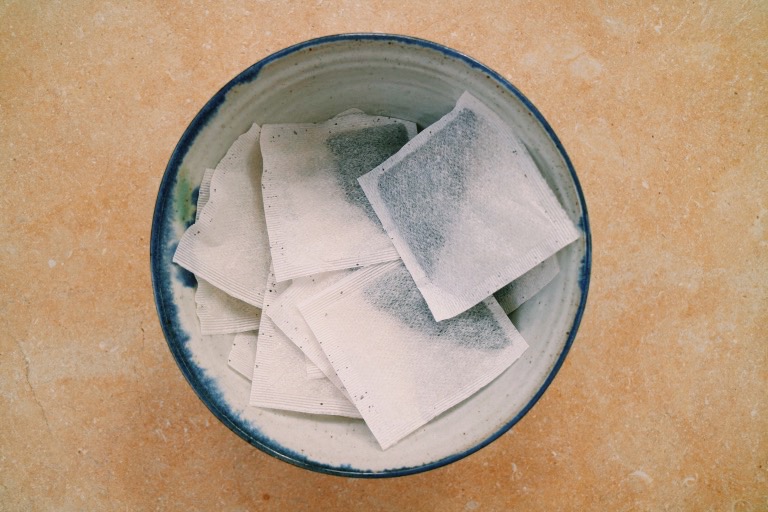
Make fairtrade your cup of tea

For example, if you buy fairtrade tea next time you shop then you will be deciding to support fair terms of trade. In effect, you will be changing lives – not yours or mine – but those of farmers and their families in developing countries by ensuring better prices and better working conditions.

Make fairtrade your cup of tea

So, in celebration of Fairtrade Fortnight which this year runs from Monday 27th February to Sunday 12th March, I am sharing with you my favourite fairtrade teas in the hope that I can encourage you to go out and buy the stuff.

Just think – through such a small, simple action (whilst waking up in the morning or whilst snuggling up in the evening) you can make a very real difference and all you need to do is have a brew!

1. Clipper Love Me Truly £2.25. Photo credit: Clipper.

Clipper Fairtrade Tea

In 1994 Clipper became the UK’s first fairtrade tea company and they’ve never looked back. Just a quick scan of their website and you can really tell that they’re proud of the work they do to promote local sustainability. What’s more, their organic chai infusion really is delicious. Buy now.

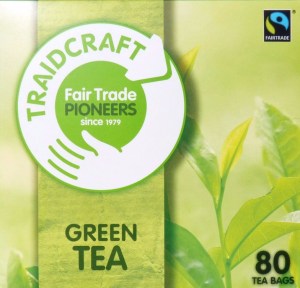
2. Traidcraft Fairtrade Green Tea £2.50. Photo credit: Traidcraft.

Traidcraft Fairtrade Tea

Traidcraft is the UK’s leading fairtrade organisation and were the first company to bring fair trade tea to the UK. Their green tea is made using tea leaves from Rwanda on small-holder tea farms that, through fair terms of trade, support vulnerable producers. Buy now.

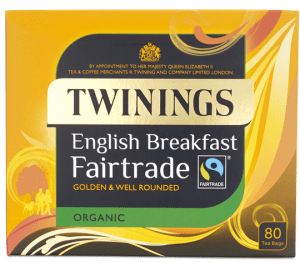
3. Twinings English Breakfast Fairtrade Organic £4.99. Photo credit: Twinings

twinings-fairtrade-tea

Twinings is a founding member of the Ethical Tea Partnership (ETP) that focuses on creating a fairer, better and more sustainable tea industry. They achieve this by raising the standards of working conditions, working in local communities to combat social issues, providing training for small-holder tea farms and improving environmental management systems. Buy now.

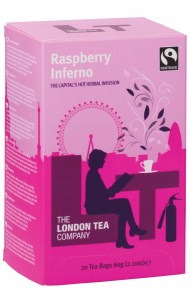
4. The London Tea Company Raspberry Inferno £2.20. Photo credit: The London Tea Company

the-london-tea-company-fairtrade-tea

The London Tea Company offers a range of great tasting fairtrade certified teas. Founded in 2003, the company is committed to supporting those who live in the most marginalised parts of the world with guaranteed minimum prices for their growers. Buy now.

So there you go – my favourite fairtrade teas. What are yours?