Latest Posts

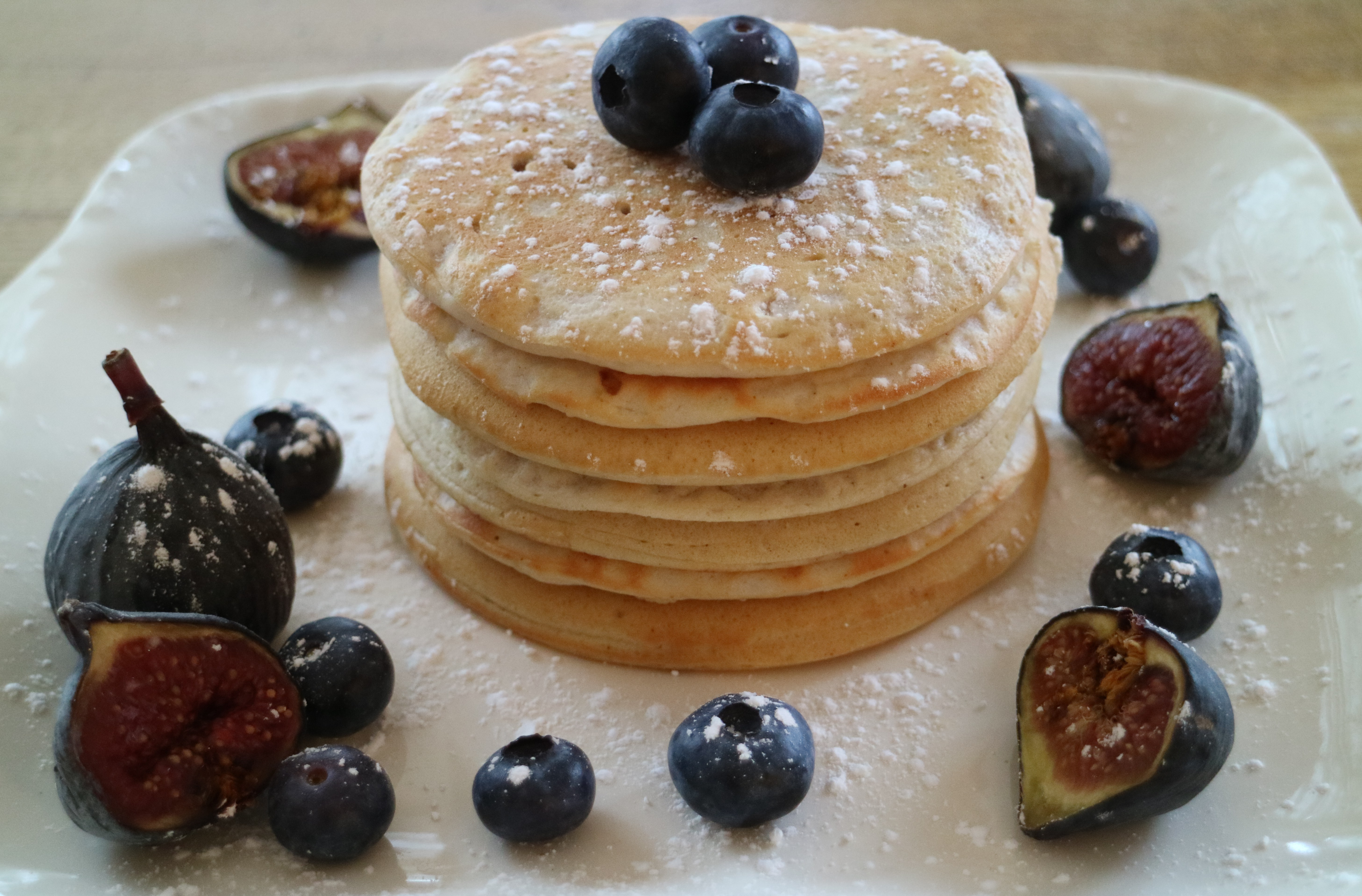
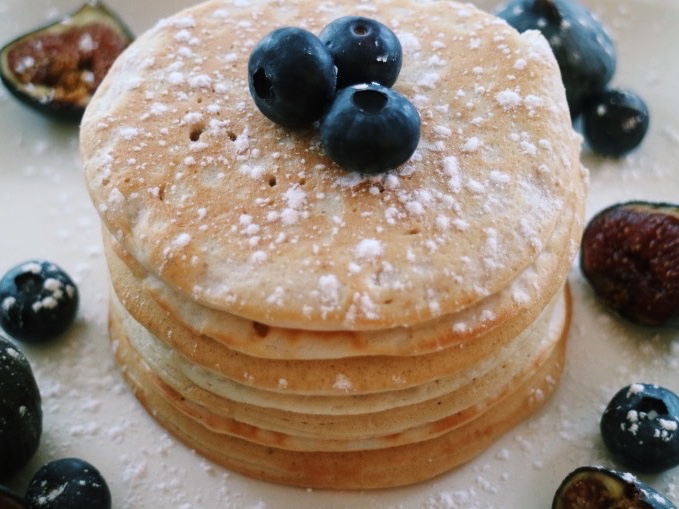
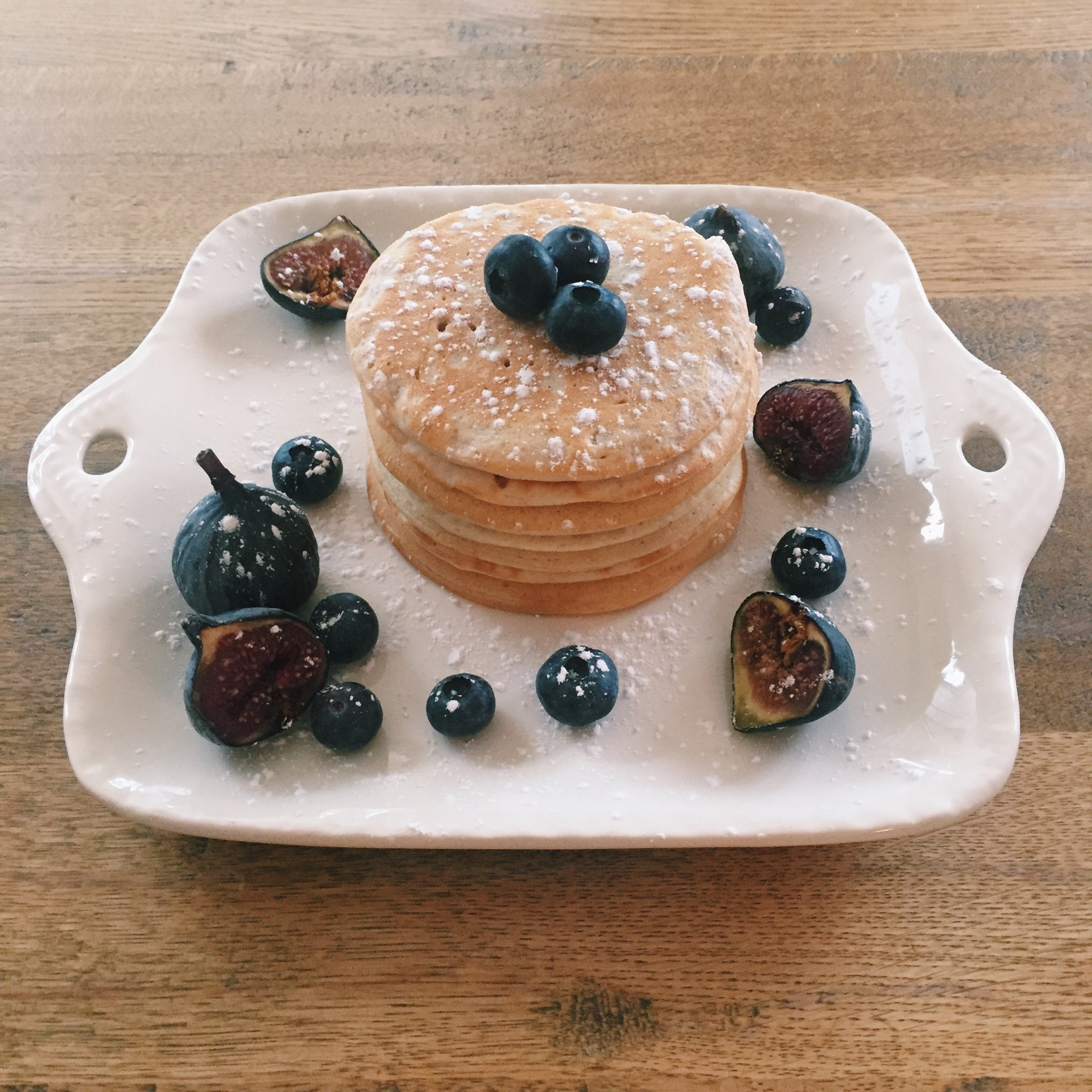
Coconut and Cinnamon Vegan Pancakes

Although I confess that I am neither a vegetarian nor a vegan, it is known that through these diets we can significantly reduce our environmental impact.

So with Pancake Day around the corner I’ve decided to experiment with a vegan recipe – something I’ve never tried before!

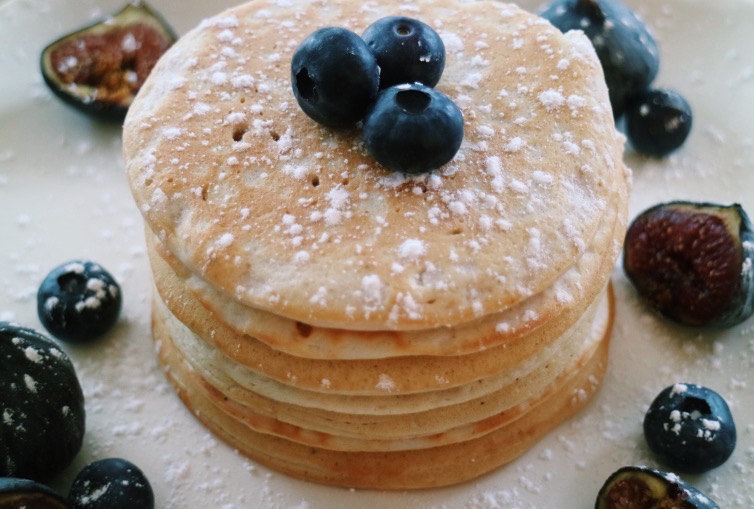
Coconut and Cinnamon Vegan Pancakes

Ingredients:

  • 3/4 cup plain white flour
  • 1 tablespoon cornstarch
  • 1 teapoon baking powder
  • 1/4 teaspoon ground cinnamon
  • 1 tablespoon sugar
  • 3/4 cup soy milk
  • 2 tablespoons coconut oil

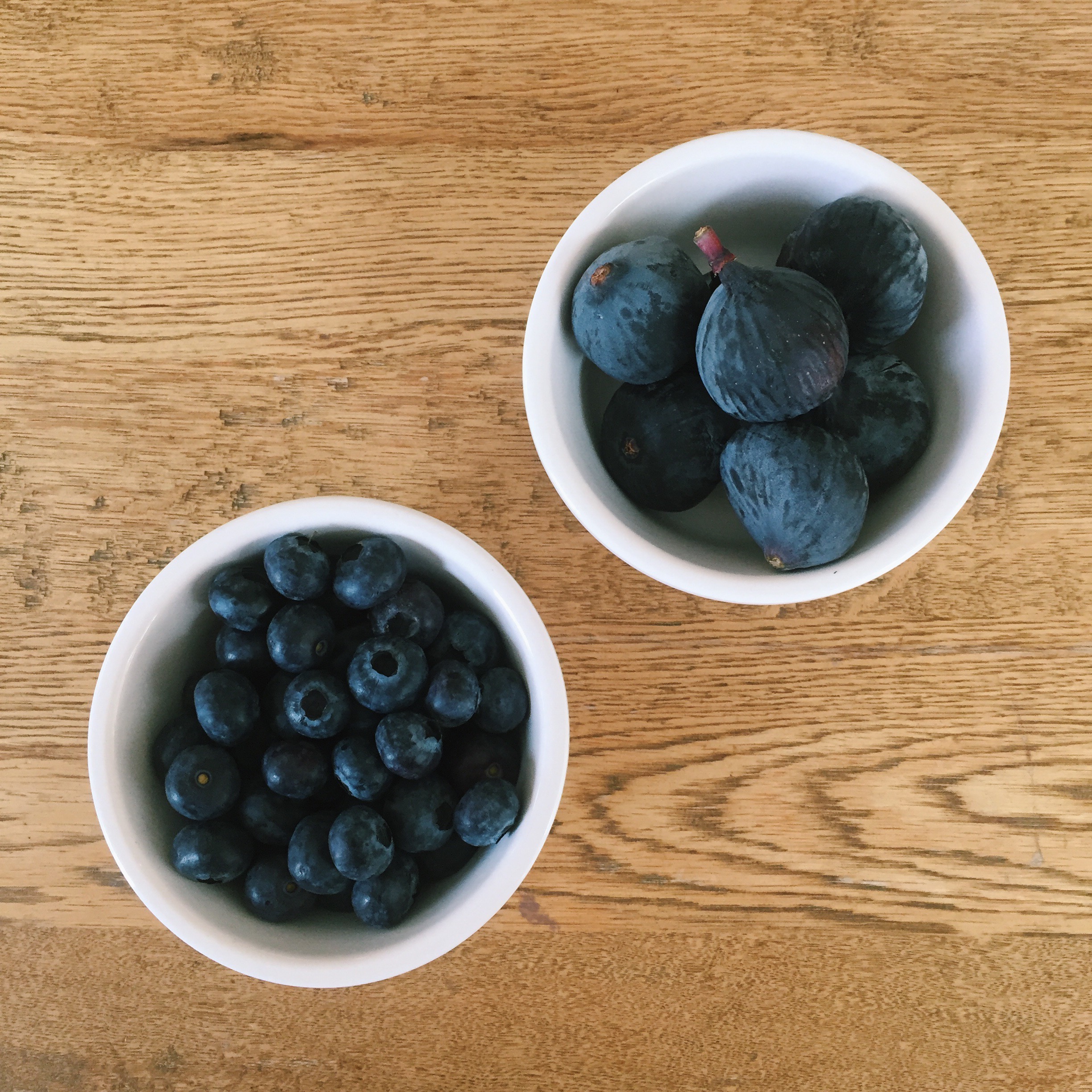
Plus fresh fruit (I used figs and blueberries from my local market) and syrup to serve.

Fresh figs and blueberries from my local market

Method:

  1. Mix all the dry ingredients together in a bowl.
  2. Stir in the soy milk and coconut oil until smooth.
  3. Spoon one portion’s worth onto a small frying pan.
  4. Cook each side until they turn a golden brown.
  5. Repeat with the rest of the batter.
  6. Serve with fresh fruit and syrup.
Coconut and Cinnamon Vegan Pancakes

I’ve Got Beef (with Beef)

What will you give up for Lent this year?

Some of the most common things that people (try to) give up are chocolate, alcohol, sweets, fizzy drinks and coffee.

But I have an alternative suggestion: beef.

This is because the production of beef has significant environmental impacts. In fact, the United Nations Environment Programme (UNEP) have gone so far as to label beef as a ‘climate harmful meat’.

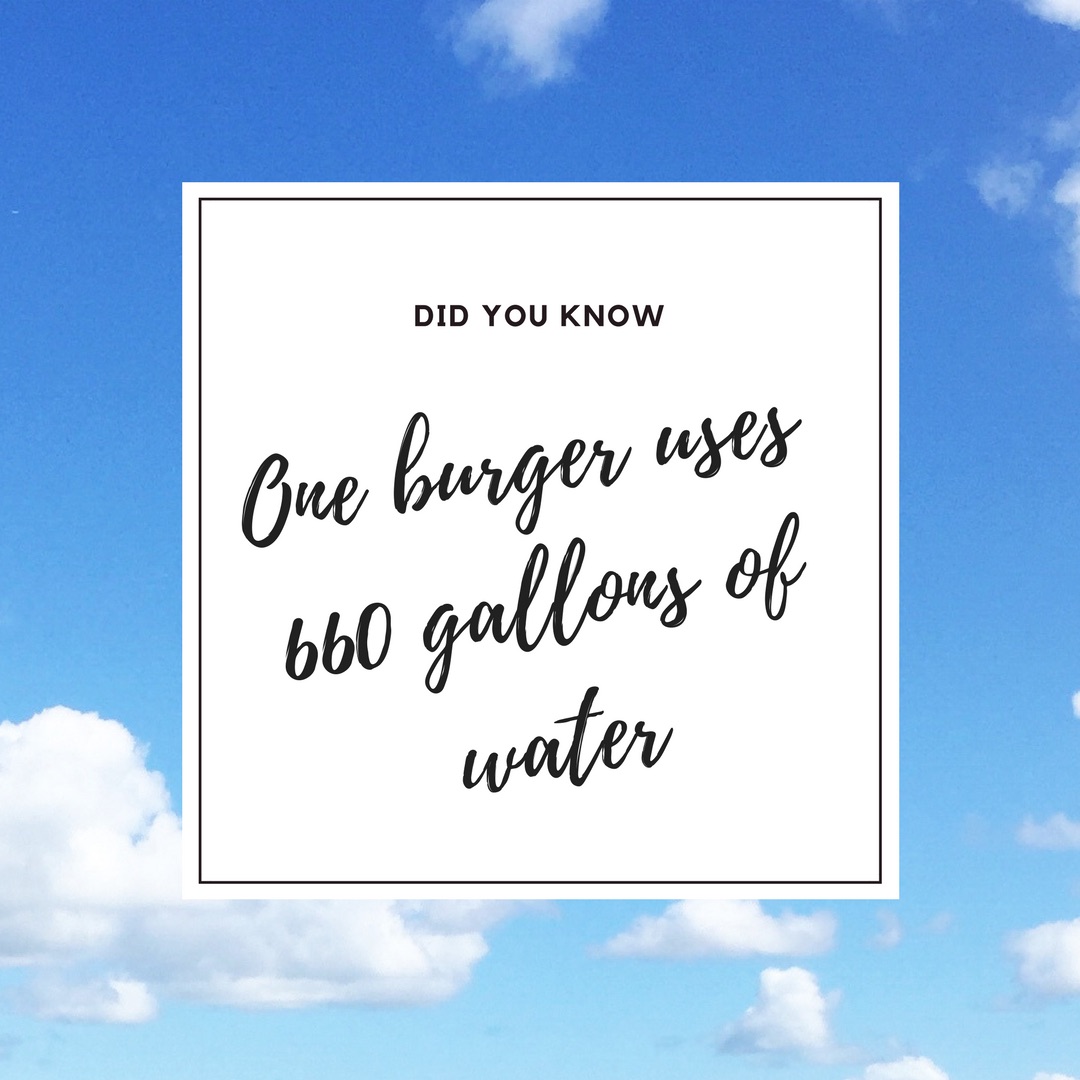
There are several reasons for this but, in a concise summary, when compared with other meats, beef production not only requires 28x more land and 11x more water but it also produces 5x more greenhouse gas emissions.

did-you-know-one-burger-uses-660-gallons-of-water

Perhaps most poignant is that the production of beef is contributing to poverty and hunger:  we live in a world that grows enough food to feed 10 billion people yet the inefficiencies in our global system mean that so much of this is going to feed cattle instead of the world’s poorest.


“82% OF STARVING CHILDREN LIVE IN COUNTRIES WHERE FOOD IS FED TO ANIMALS AND THE ANIMALS ARE EATEN BY WESTERN COUNTRIES”


I gave up beef as one of my New Year’s resolutions for 2017 and it is surprisingly easier than I thought it would be.

However if you can’t imagine a life without beef then it’s worth looking to minimise your environmental impact through buying sustainably and responsibly sourced beef from local farmers if possible.

Let me know your thoughts and how you get on in the comments section below!

Fairtrade Chocolate Bark Recipe

Buying fairtrade couldn’t be easier and it really does make a difference to the lives of farmers around the world.

This is because it makes farming more sustainable through the payment of a Fairtrade Premium. The premium is then invested in business and community projects so that farmers are better able to keep up with rising production costs and household expenses.

All you have to do is go out and buy the stuff!

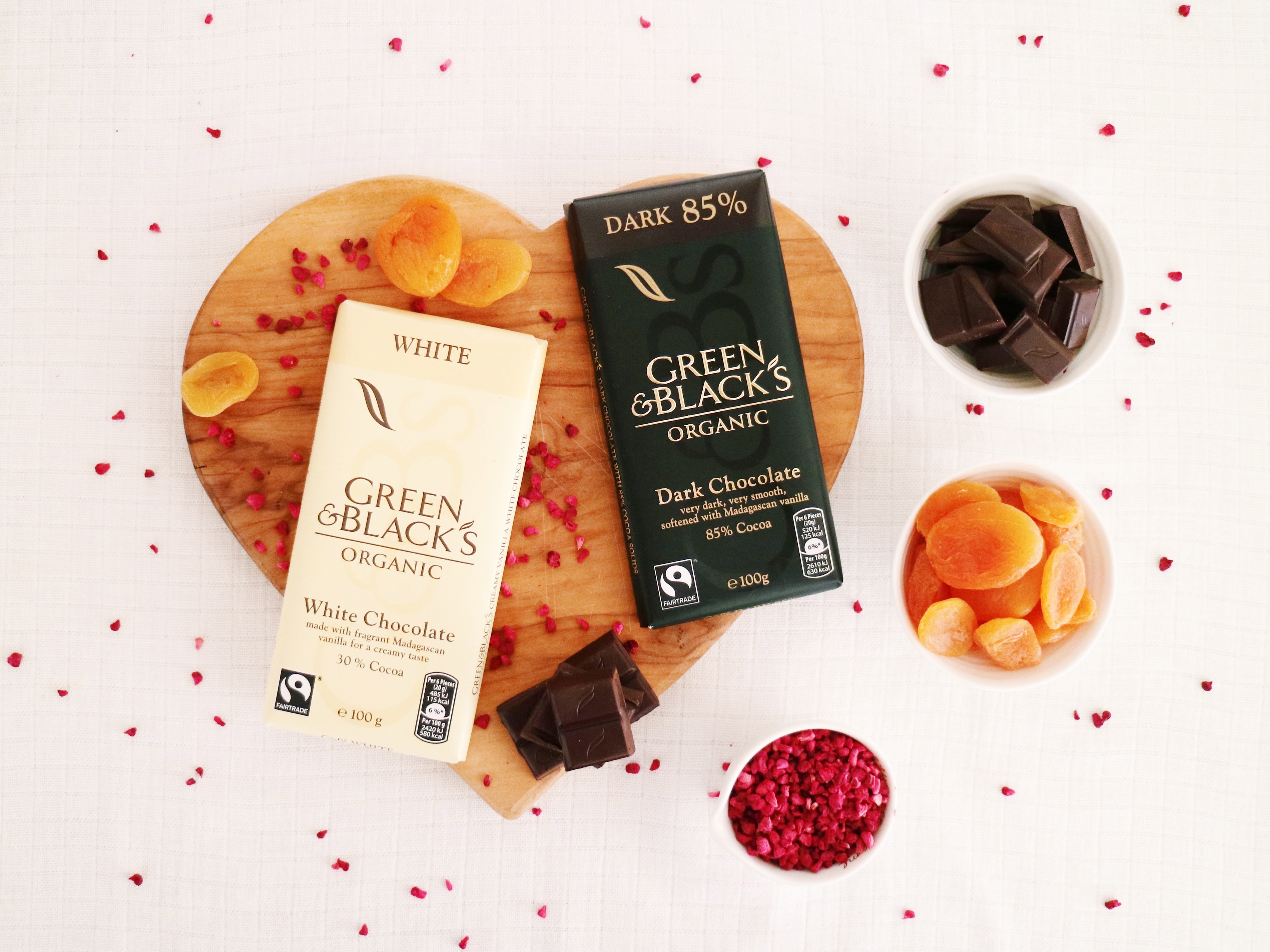
To give you an excuse I’ve put together a simple (and delicious) recipe using fairtrade chocolate.

Ingredients:

  • 200g fairtrade dark chocolate
  • 200g fairtrade white chocolate
  • 50g dried apricots (finely chopped)
  • 10g freeze dried raspberries

Here I've put together a simple (and delicious) recipe using fairtrade chocolate

Remember to look out for the fairtrade logo next time you shop!

Method:

  1. Melt the dark chocolate and the white chocolate separately in heatproof bowls over simmering water, stirring as you go.
  2. Remove the chocolate from the heat once completely melted.
  3. Line two baking trays with parchment paper.
  4. Pour the melted dark chocolate onto one tray and the melted white chocolate onto the other using a spatula to form an even layer.
  5. Wait a couple of minutes before lightly drizzling the trays with any remaining chocolate to make a patterned effect.
  6. Sprinkle with the apricots and raspberries.
  7. Leave to set in the fridge for at least two hours.
  8. Break up the bark into pieces using a sharp knife and enjoy!

Here I've put together a simple (and delicious) recipe using fairtrade chocolate

Feel free to try different toppings such as honeycomb or salted caramel pieces.

Although I used Green & Blacks in this recipe there are plenty of other ethically sourced chocolates to choose from.

Why don’t you experiment with some of the following and let me know how you get on?

My favourites:

green-and-blacks-fairtrade-chocolatedivine-fairtrade-chocolate-bar

waitrose-fairtrade-chocolate-barcocoa-loco-fairtrade-chocolate-bar

1. Green & Blacks White Chocolate Bar £2.19. Photo credit: Green and Blacks.

2. Divine Orange Milk Chocolate £2.39. Photo credit: Divine. 

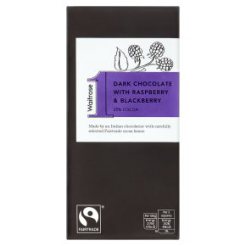
3. Waitrose Dark Chocolate with Raspberry and Blackberry £1.60. Photo credit: Waitrose.

4. Cocoa Loco White Chocolate Lemon Drizzle £2.99. Photo credit: Cocoa Loco.

Your Guide to a Sustainable Valentine’s Day

They say that all’s fair in love (and war) so why not celebrate Valentine’s Day in light of this old adage?

Some of the best eco-friendly and ethical ideas to help you celebrate sustainably

Roses are synonymous with Valentine’s Day but remember to buy organic or fairtrade where possible.

With only a couple of weeks until the 14th February, I’ve researched some of the best eco-friendly and ethical ideas to help you celebrate sustainably.

sacred-heart-candle       cocoa-loco-fairtrade-chocolate-lollybiona-organic-pomegranate-hearts      Rose Geranium Heart Cruelty Free Handmade Natural Soapbhaskar-heart-bangle      Handmade Paper Carddivine-fairtrade-chocolate-and-strawberry-hearts       ms-fairtrade-flowersrecylced-silver-page-savers       Arthouse Meath Love Birds

1. Sacred Heart Candle £7.50. Photo credit: Pio Soaps.

Made from eco-friendly soy wax and embedded with Rose Quartz, a stone that is popular for attracting and maintaining love.

2. White Chocolate and Raspberry Love Heart Lolly £1.75. Photo credit: Cocoa Loco.

This fairtrade certified chocolate from Cocoa Loco melts in the mouth – delicious.

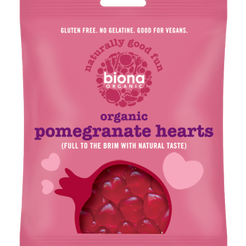
3. Organic Pomegranate Hearts £1.85. Photo credit: Biona.

Heart shaped sweets made using certified organic ingredients.

4. Rose Geranium Heart Soap £6.50. Photo credit: Lovely Soap Company.

This soap heart is handmade using nourishing oils and deliciously scented essential oils. Cruelty free and vegan.

5. Bhaskar Bangle £40.00. Photo credit: Luna Tree Jewellery.

Handcrafted by one community of Karen Hill Tribe silversmiths, this beautiful bangle is imprinted with fine hearts.

6. Navy Heart Brooch Card £8.00. Photo credit: Traidcraft.

Pack of 4 handmade paper cards. Produced by Swajan Crafts – an organisation that supports artisans in Bangladesh.

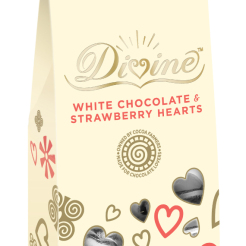
7. Divine White Chocolate & Strawberry Hearts £4.95. Photo credit: Divine.

Made with cocoa grown in Ghana by a co-operative of farmers, these white chocolate and strawberry hearts are delicious.

8. Fairtrade Pink Roses £25.00. Photo credit: M&S.

A beautiful bouquet of fairtrade roses.

9. Recycled Silver Heart Page Savers £24.00. Photo credit: Ethical Superstore.

Handcrafted in the UK and made using recycled silver, these page savers are perfect for any book lover.

10. Love Birds Card £1.50. Photo credit: Arthouse Meath.

Arthouse Meath is a collective of artists with learning disabilities who create beautiful designs – this card is designed by Saun Arundel.
Pioneering Pineapple: A Leather Alternative

When life gives you pineapples make… a sustainable leather alternative!

For anyone who is concerned by the environmental and ethical issues associated with the leather industry, Piñatexâ„¢ could be the answer. Founded by Dr Carmen Hijosa in 2013, Ananas Anam manufactures the textile Piñatexâ„¢ using pineapple waste in the Phillipines.

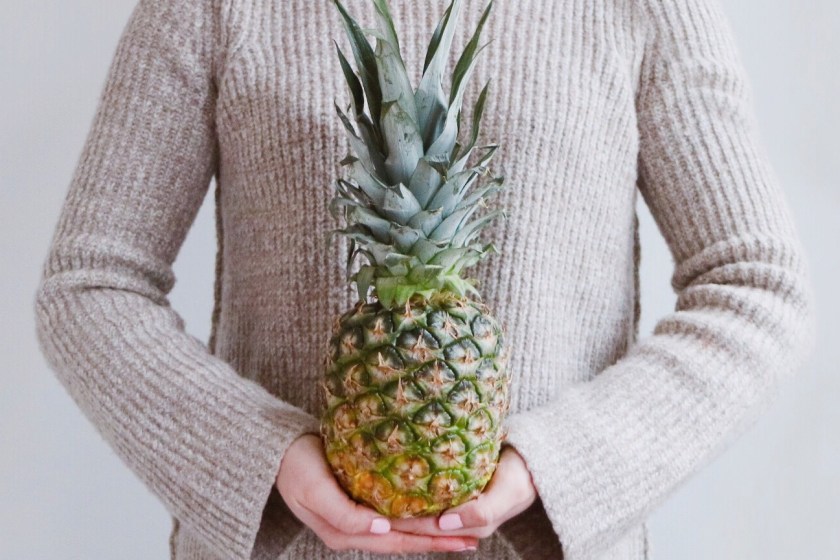
The breakthrough came when Hijosa visited the Philippines to learn about the leather industry there. During her trip she realised that the fibres found in pineapple leaves could be used to make a non-woven textile. Since the leaves are a by-product from the pineapple harvest, the end result is a sustainable textile that uses no extra water or land whilst providing an additional income for farmers.

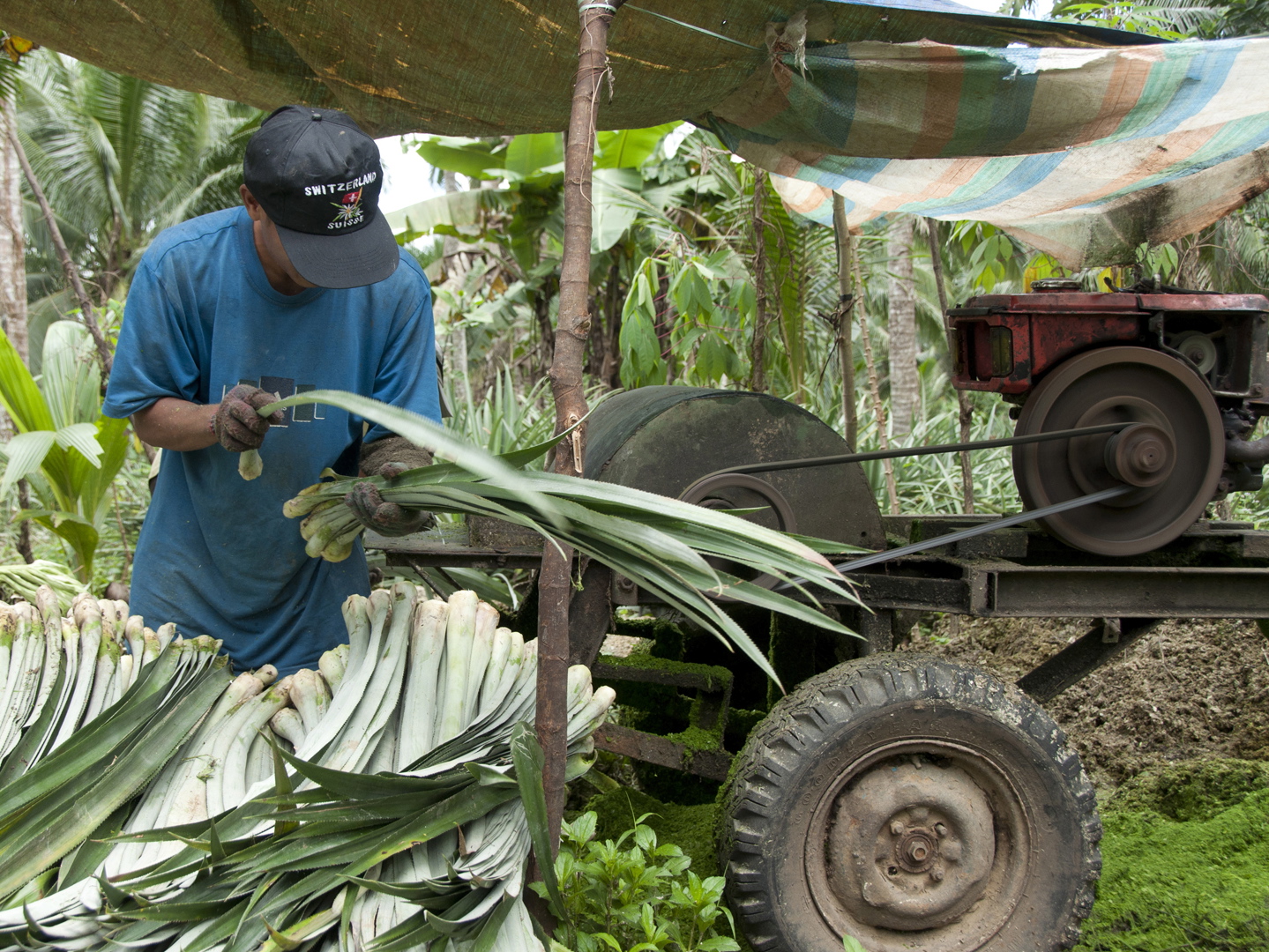
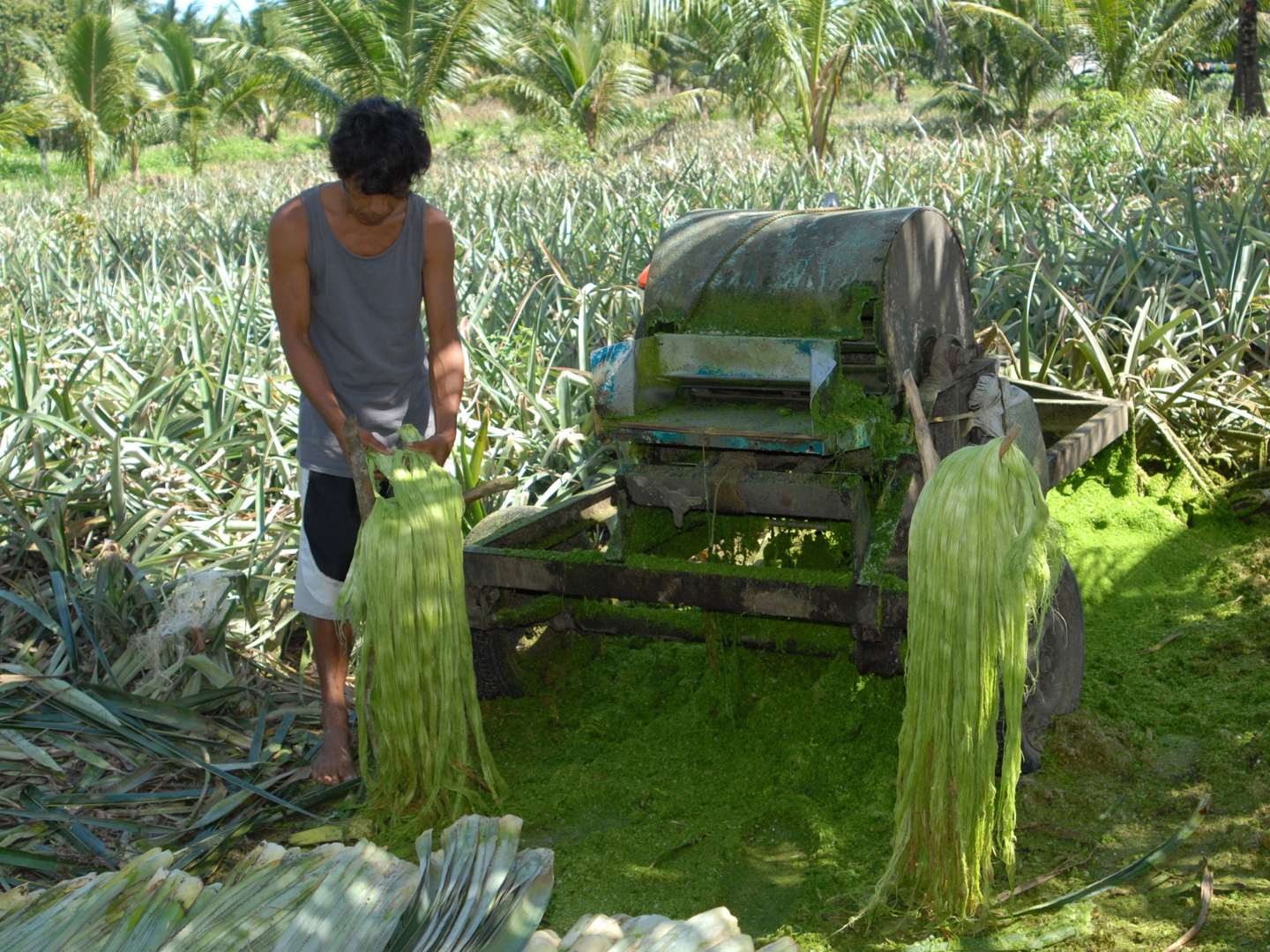
The images below show the innovative manufacturing process behind the production of Piñatexâ„¢ in the Phillipines.

pinatex-is-made-using-pineapple-leaves

Piñatex™ is made using pineapple leaves, a by product of the pineapple harvest (photo credit: Ananas Anam)

fibres-are-extracted-from-the-leaves

Fibres are extracted from the leaves in a process called decortication (photo credit: Ananas Anam)

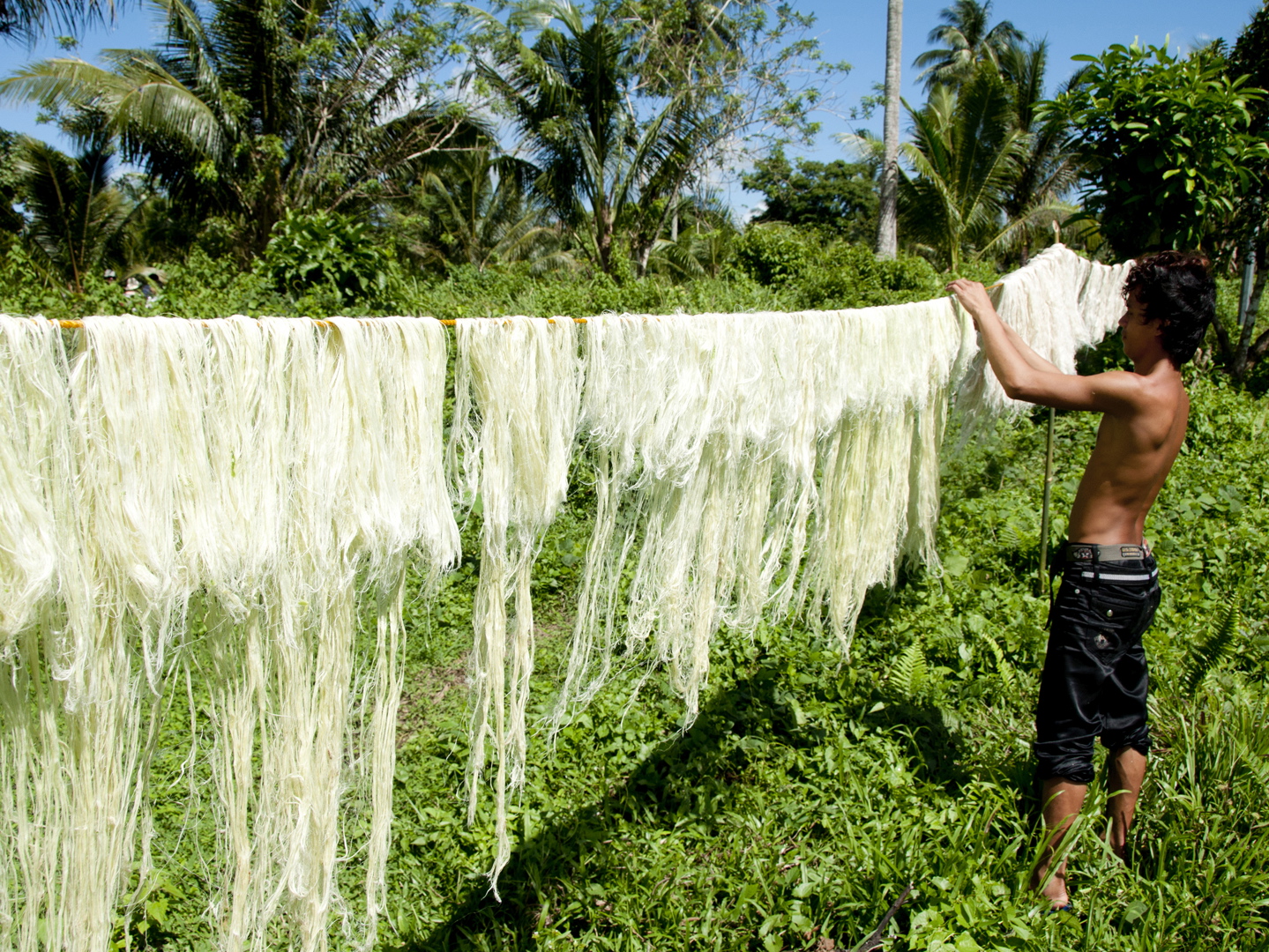
farmers-hang-the-fibres-to-dry

Farmers hang the fibres to dry in the sun (photo credit: Ananas Anam)

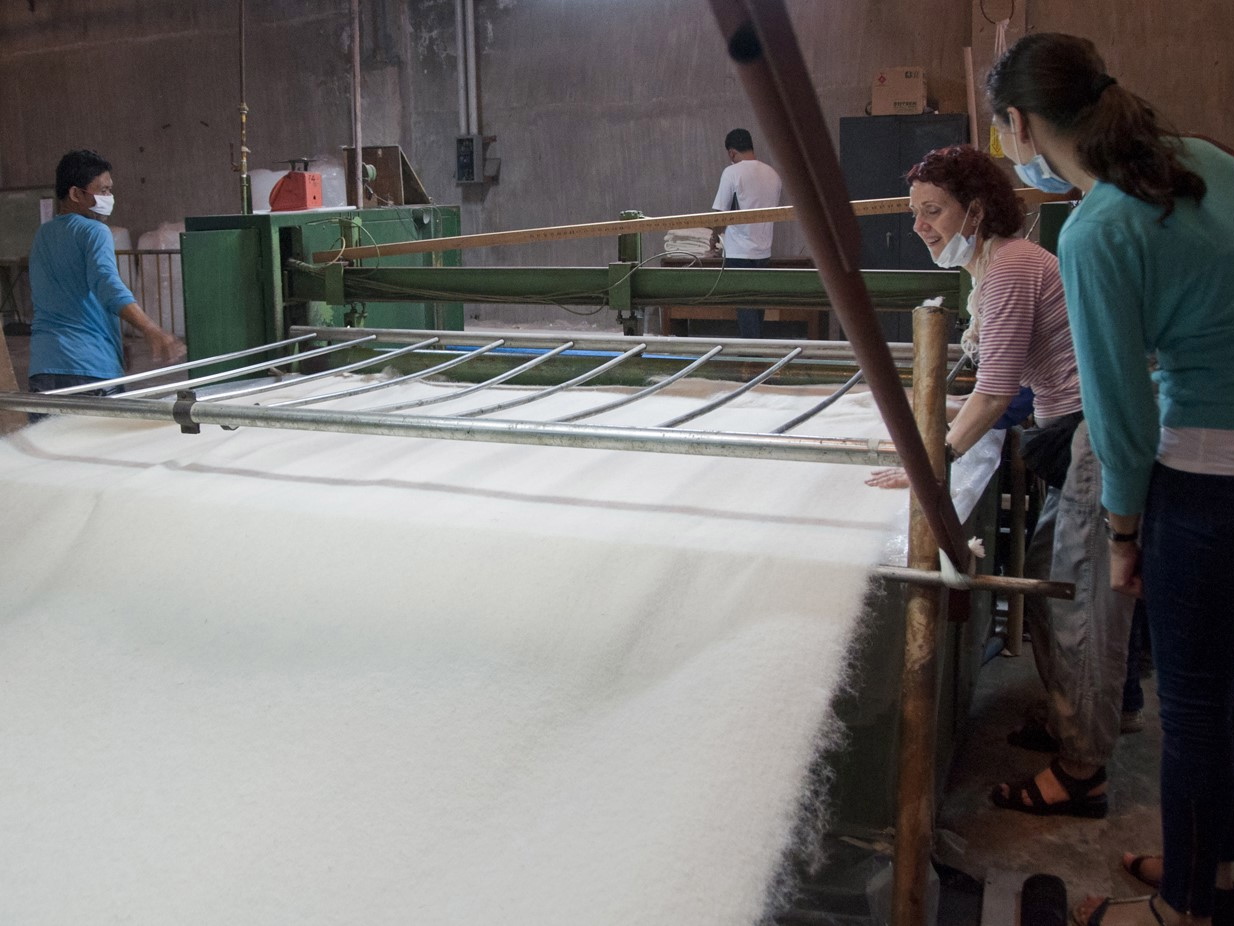
the-fibres-become-a-non-woven-textile

The fibres become a non-woven textile after undergoing an industrial process (photo credit: Ananas Anam)

The final step takes place at a textile finishing company in Spain before the material is sold to companies all over the world for the making of shoes, bags and furnishings.

The stylish back pack below is an example of a product made by Smith Matthias using Piñatexâ„¢ – I can’t wait to get my hands on one!

smith-matthias-bag-made-using-pinatex

Smith Matthias designed this bag using Piñatex™ (photo credit: Smith Matthias)

Cocktails with a Conscience

Have you ever thought about whether your alcohol is sourced ethically and sustainably?

Maybe you have but I’m guessing you haven’t.

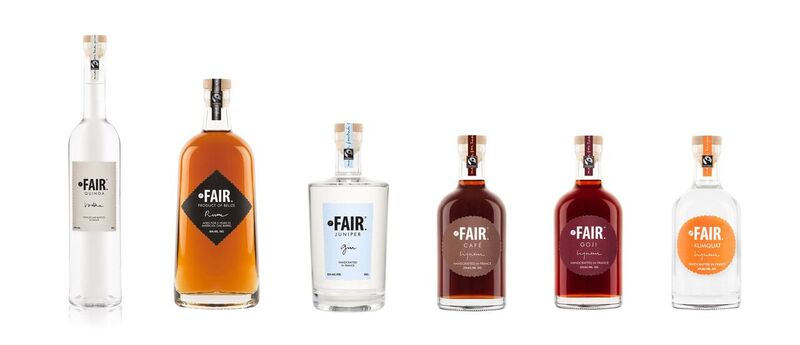
FAIR, the world’s first Fair Trade Certified spirits brand, was founded to change that. The company sources sustainable ingredients from all over the world and treats every person involved in the process equally, ensuring that farmers are paid a fair price.

unspecified

FAIR are dedicated to producing ethical and sustainable spirits (photo credit: FAIR)

To top it all off their product range is exquisitely exotic, consisting of organic quinoa vodka from the Andes, natural juniper gin from Uzbekistan and goji liqueur from the Himalayas.

cocktails with a conscience

FAIR source their organic quinoa from the Altiplano plateau (photo credit: FAIR)

Here I’ve put together a simple cocktail recipe using ingredients that enhance the natural flavours of FAIR’s juniper gin.

Ingredients:

  • 50ml FAIR juniper gin
  • Tonic water
  • 1/2 teaspoon of rosewater
  • 1 teaspoon of dried rose petals and/or fresh rose petals

Cocktails with a Conscience

FAIR’s juniper gin combined with the delicate rosewater makes for a perfectly refreshing cocktail.

Method:

  1. Place 3 ice cubes in your glass before adding the gin.
  2. Top up with the tonic, then add the rosewater.
  3. Gently stir in the rose petals to garnish.

Live a Sustainably Simple Life

Welcome to Sustainably Simple – your guide to a more sustainably simple life!

Launched in January 2017, Sustainably Simple is based on the belief that everyone has the power to save the world through simple lifestyle changes.

Get involved and let me know how it goes at sustainablysimpleblog@gmail.com.